The right to water and environmental justice are fundamental issues in the urban context, especially in cities where privatization and resource scarcity disproportionately affect marginalized communities. Access to clean drinking water, a basic human right, has become a source of conflict in many cities, where market dynamics and inadequate planning have led to the exclusion of the most vulnerable populations. Critical scholars such as Erik Swyngedouw and Mike Davis examine how the privatization of resources and the management of urban water systems can deepen existing inequalities, creating new forms of environmental injustice. Erik Swyngedouw has extensively studied water governance in urban contexts, arguing that the privatization of water becomes a tool of power that reinforces social exclusion.
In his work *Liquid Power*, Swyngedouw explains how water management systems tend to benefit urban elites and large corporations, while low-income communities are excluded from equitable access. According to Swyngedouw, water management is not merely a technical issue but a profoundly political one, because those who control water also control access to a dignified urban life. In this sense, environmental justice requires ensuring that everyone, regardless of economic status, has access to this essential resource. Mike Davis, meanwhile, addresses environmental justice through his analyses of cities in the Global South, where inadequate infrastructure and poverty intensify problems related to water access.
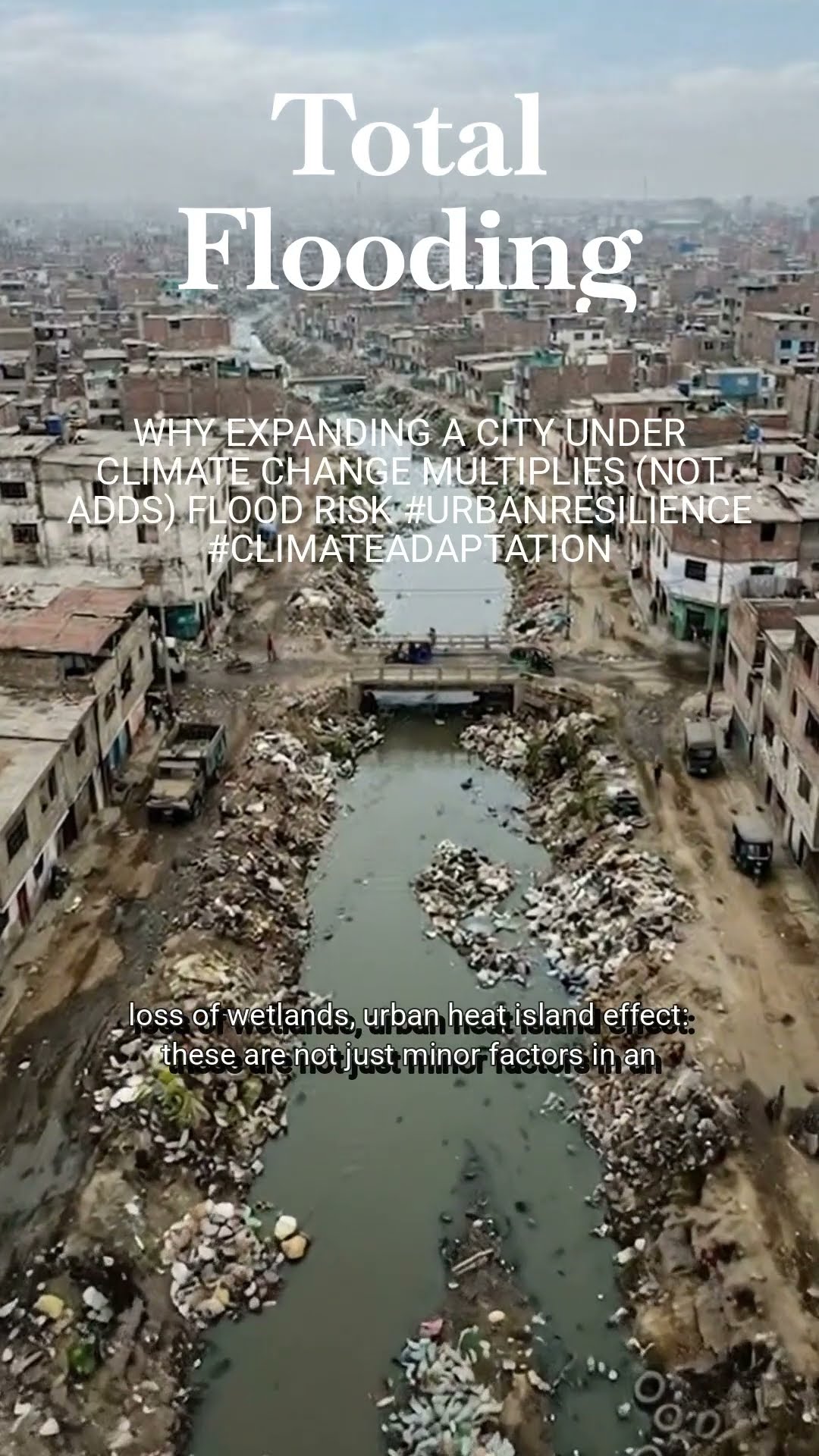
In cities such as Lagos and Mexico City, marginalized communities not only lack reliable access to clean water but also face severe pollution due to inadequate sanitation systems. Davis argues that these conditions are not simply the result of neglect but stem from deliberate political decisions that prioritize economic development over people's basic needs. These policies perpetuate injustice by reinforcing the exclusion of the most vulnerable populations. The privatization of water is one of the most controversial issues in the debate over equitable access.
Swyngedouw has criticized privatization efforts in numerous cities, arguing that they transform water into a commodity, thereby worsening inequality. Rather than treating water as a human right, privatization tends to benefit those who can afford to pay for the service, while poorer communities are left behind. Furthermore, privatization policies often fail to improve either the quality or the availability of water, creating social tensions and conflicts between communities and governments. Another important aspect is the role of social movements in the struggle for the right to water.
Across both the Global North and the Global South, communities have resisted privatization efforts and demanded that water be managed as a common good. This activism has been essential in preventing neoliberal policies from fully dominating sectors such as water supply and sanitation. The protests in Cochabamba, Bolivia, remain one of the most emblematic examples of this struggle, where local resistance successfully reversed the privatization of water and restored public control. In conclusion, the right to water and environmental justice are critical issues in contemporary urbanism.
The work of Erik Swyngedouw and Mike Davis demonstrates that access to water is deeply connected to power relations and structural inequalities within cities. To ensure a dignified and equitable urban life, water must be managed as a human right rather than as a commodity, through policies that prioritize the well-being of the most vulnerable communities.