Urban utopias
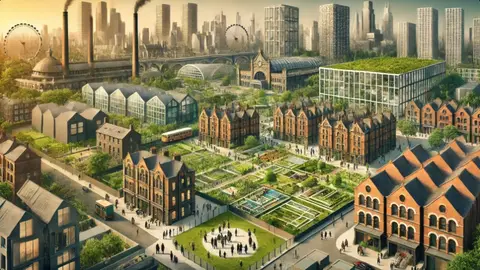
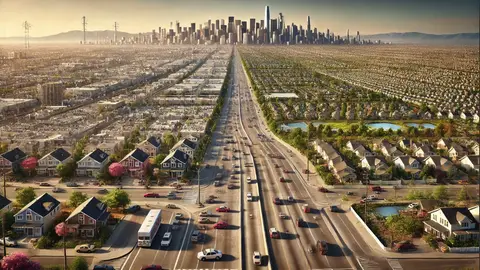
Urban utopias are the models of the ideal city each era drew to correct the real one: Ebenezer Howard's garden city (1898), Le Corbusier's radiant city (1930), Frank Lloyd Wright's Broadacre City. Few were built whole; all left pieces —the open block, zoning, the new town— that we inhabit today.
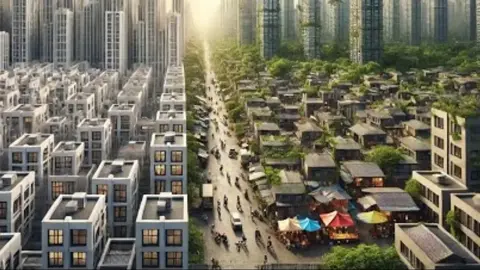
Utopia is not harmless: Le Corbusier's tower in the park became the social housing estate of half the world, and its failures led Jane Jacobs to defend the existing city. Studying utopias is understanding where the ideas we take for natural come from.
Videos on this term (4)
- Urban history
Peter Hall's Cities of Tomorrow: A History of Urban Planning
Cities of Tomorrow (1988) by Peter Hall traces the twentieth century's planning ideas, from Howard to Le Corbusier,…
Peter Hall 2 min read - Public space
John Friedmann: Transactive Planning and Community Participation
John Friedmann proposed transactive planning: a dialogue between technical and community knowledge.
John Friedmann 3 min read - Urban geopolitics
James Scott: Why the State's Grand Plans Fail
James C. Scott explains in Seeing Like a State why high modernist plans fail: legibility, Le Corbusier, Brasília…
James Scott 2 min read - Urban form
The Horizontal City and Suburbanisation: Fishman and Hall on Sprawl
The horizontal city grows outward with low density, cars and highways. How Robert Fishman and Peter Hall explain…
3 min read