Key points
- Cultural capital includes institutions and practices that shape a city's identity and economy.
- Cultural policies can drive urban revitalization but may also lead to gentrification and social exclusion.
- Cultural capital's commodification risks diluting authentic community expressions for global market expectations.
The concept of cultural capital refers to the cultural resources and assets that a city possesses and how these contribute to its identity, economy, and attractiveness for both residents and visitors. Cultural capital includes institutions such as museums, theaters, art galleries, libraries, and entertainment centers, but it also encompasses practices, traditions, and cultural expressions that reflect the unique character of a place. In this sense, cities with strong cultural capital are not only more attractive from a tourism perspective, but also offer a higher quality of life for their residents. Scholars such as Sharon Zukin have explored how cultural capital shapes urban development and the role it plays in the transformation of contemporary cities.
Cultural Capital and Economic Development
In her book The Cultures of Cities (1995), Zukin analyzes how cultural capital not only enriches the life of a city but can also be instrumentalized to attract investment and enhance global competitiveness. Cities that invest in the creation and promotion of cultural infrastructure often do so with the aim of positioning themselves as attractive destinations for tourism and the creative industries. Zukin argues that, in many cases, cultural policies become an economic strategy that supports the revitalization of declining urban areas, but she also raises questions about social inclusion and about who truly benefits from these transformations. Cultural capital has a direct impact on the physical and social configuration of cities.
Areas that host major cultural resources, such as museums and theaters, often experience an increase in land values and economic development. However, this growth is frequently accompanied by processes of gentrification, in which lower-income residents are displaced by wealthier populations. Zukin emphasizes that although cultural capital can generate economic benefits, its social consequences must also be considered. The transformation of neighborhoods with vibrant cultural life can homogenize their character, stripping them of the diversity that originally made them attractive.
The role of cultural capital in urban identity is fundamental. Cities that maintain a rich cultural offer are often perceived as vibrant and dynamic places, where art, music, and creativity intertwine with everyday life. This not only improves residents’ quality of life but also creates a sense of belonging and local pride. For Zukin, cultural capital extends beyond formal institutions; it also includes the cultural practices of local communities, which contribute significantly to the identity of the city.
Cultural Capital and Urban Identity
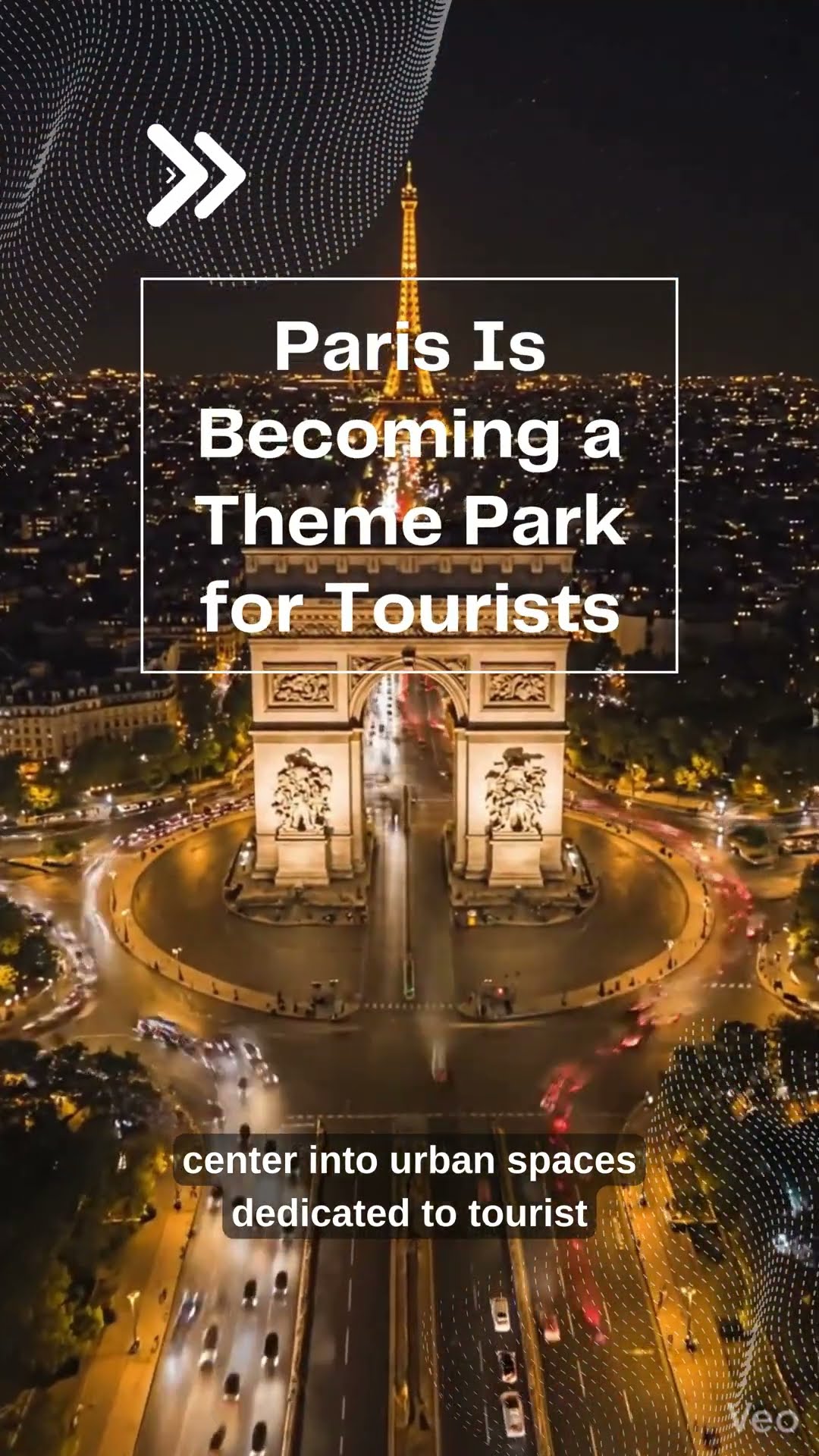
These less visible aspects of cultural capital may be as important as prestigious cultural infrastructures. As global cities compete to attract tourists and creative professionals, cultural capital has become a key element in their development strategies. Zukin highlights that the creation of “cultural landscapes” can function as a way of commodifying urban space, where culture becomes a product to be consumed. However, this approach may result in a superficial or standardized version of local culture, in which authentic community expressions are marginalized or reshaped to fit the expectations of the global market.
In conclusion, cultural capital plays a crucial role in urban life, influencing both the economy and the identity of cities. Zukin offers a critical perspective on how this capital is used to promote urban development, while also warning about the risks of gentrification and the commodification of culture. For cities to benefit from their cultural capital in an inclusive and sustainable way, urban policies must consider not only economic gains but also the preservation of cultural diversity and the inclusion of all communities.
Frequently asked questions
How does cultural capital influence urban development?
Cultural capital shapes urban development by attracting investment and enhancing global competitiveness, but can also lead to gentrification and social exclusion.
What are the risks of commodifying cultural capital?
Commodification risks diluting authentic community expressions and creating a superficial version of local culture for global markets.