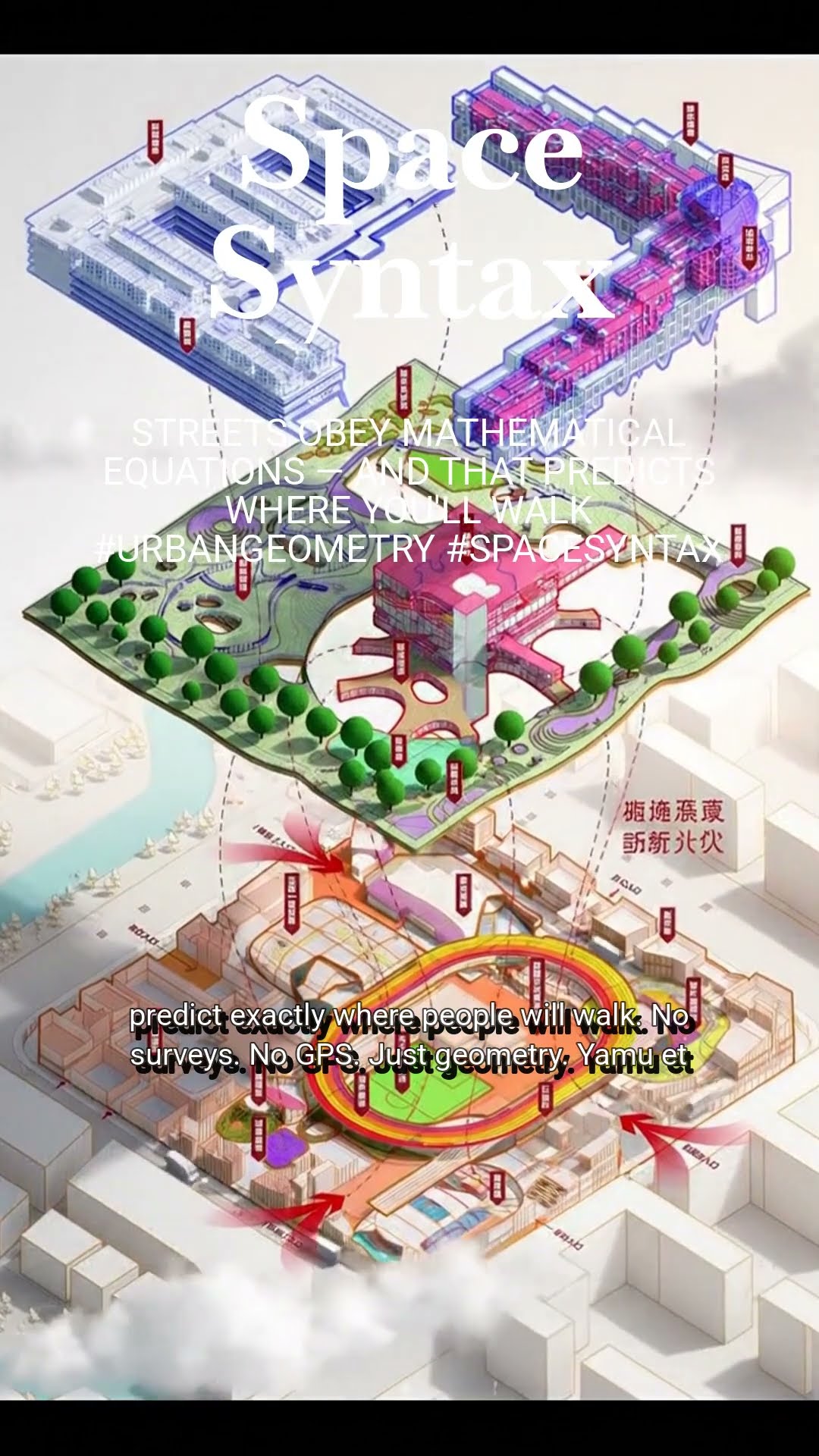
New Urbanism is a movement in urban planning that emerged in the 1980s as a critical response to cities built around the automobile and uncontrolled expansion, or “sprawl.” Its proponents seek to create compact, walkable, mixed-use communities with the goal of improving residents’ quality of life and promoting sustainability in the urban environment. Unlike the traditional zoning model, which separates the functions of the city (residential, commercial, industrial), New Urbanism advocates for a design that integrates these uses, promoting more inclusive and livable neighborhoods. Among the key authors of this movement are Andrés Duany and Elizabeth Plater-Zyberk, who have played a fundamental role in its theoretical and practical development.
Andrés Duany and Elizabeth Plater-Zyberk, in their influential work Suburban Nation: The Rise of Sprawl and the Decline of the American Dream, criticize excessive suburban expansion and its negative consequences, such as automobile dependence, traffic congestion, and social isolation. Duany and Plater-Zyberk instead propose an urban design approach that prioritizes walkability and easy access to essential services such as schools, shops, and public spaces. They argue that compact cities not only reduce the need for motorized transport but also foster a stronger sense of community and belonging among residents. One of the central characteristics of New Urbanism is the creation of mixed-use neighborhoods.
According to Duany and Plater-Zyberk, these spaces—where housing, commerce, and offices coexist in close proximity—not only improve land-use efficiency but also allow people to carry out their daily activities without depending on automobiles. This arrangement encourages active mobility, such as walking or cycling, which reduces carbon emissions and improves the physical health of residents. In addition, mixed-use neighborhoods contribute to the economic and social vitality of cities by enabling more frequent and diverse interactions among residents. Another important aspect of New Urbanism is the design of accessible and welcoming public spaces.
Duany and Plater-Zyberk emphasize the importance of plazas, parks, and well-designed streets that invite social interaction and community life. In their vision, public spaces should be centered on people rather than automobiles and should be safe and pleasant for walking. Features such as narrower, tree-lined streets and wide sidewalks are essential for creating an environment that encourages pedestrian movement and the use of non-motorized transportation. New Urbanism also places strong emphasis on environmental sustainability.
By reducing dependence on cars and promoting the use of public transportation and bicycles, this model of urbanism contributes to mitigating climate change. Duany and Plater-Zyberk argue that compact and dense communities can significantly reduce energy consumption, as shorter distances between homes and services decrease the need for long and frequent trips. Furthermore, the integration of green infrastructure—such as green roofs and community gardens—is another key component for improving energy efficiency and sustainability in new or revitalized neighborhoods. In conclusion, New Urbanism, promoted by Andrés Duany and Elizabeth Plater-Zyberk, proposes a model of the city that is more compact, walkable, and sustainable, aiming to address the problems derived from suburban sprawl and automobile dependence.
This approach, which integrates mixed land uses and encourages social interaction in public spaces, proposes a fundamental change in how cities are built, with the goal of improving residents’ quality of life and contributing to a more ecological and equitable future. Through the implementation of New Urbanist principles, cities can move toward more inclusive and sustainable urban environments.