Key points
- Splintering urbanism refers to the fragmentation of urban infrastructures that reinforce social and economic divisions.
- Privatization and globalization have led to uneven infrastructure investment, favoring affluent areas over marginalized ones.
- Fragmented infrastructures shape social inclusion and exclusion, creating a dual city with technologically advanced enclaves and underserved districts.
“Splintering Urbanism” (2001) by Stephen Graham and Simon Marvin examines how fragmented urban infrastructures contribute to inequality in contemporary cities. Published by Routledge, the book challenges the traditional view of cities as cohesive and fully interconnected systems. Instead, the authors argue that the infrastructures that sustain urban life—such as transport networks, telecommunications, and public utilities—are not equally accessible to all residents, and their distribution often reflects and reinforces social and economic divisions. 🏙️⚙️ A central idea in the book is the concept of “splintering” infrastructure.
Splintering Urbanism and Its Impact on Inequality
According to Graham and Marvin, processes such as globalization, privatization of services, and technological change have transformed how cities are organized and governed. Rather than providing universal and equitable access to services, infrastructures increasingly serve specific areas or groups, often prioritizing wealthier districts where investments yield higher returns. This leads to fragmented cities, where access to essential services—water, electricity, transportation, and digital connectivity—varies significantly depending on the socioeconomic status and location of residents. ⚡🚇 The authors emphasize that this fragmentation is not accidental but the result of political and economic decisions.
The privatization of public services, market liberalization, and the deployment of advanced infrastructure technologies have encouraged selective investment patterns. As a result, affluent neighborhoods often benefit from high-quality infrastructure systems, while poorer areas experience underinvestment and limited access to essential services. This uneven distribution deepens existing inequalities and restricts opportunities for social mobility among residents of marginalized urban areas. Graham and Marvin also explore the everyday impacts of fragmented infrastructures.
The Dual City and Social Exclusion
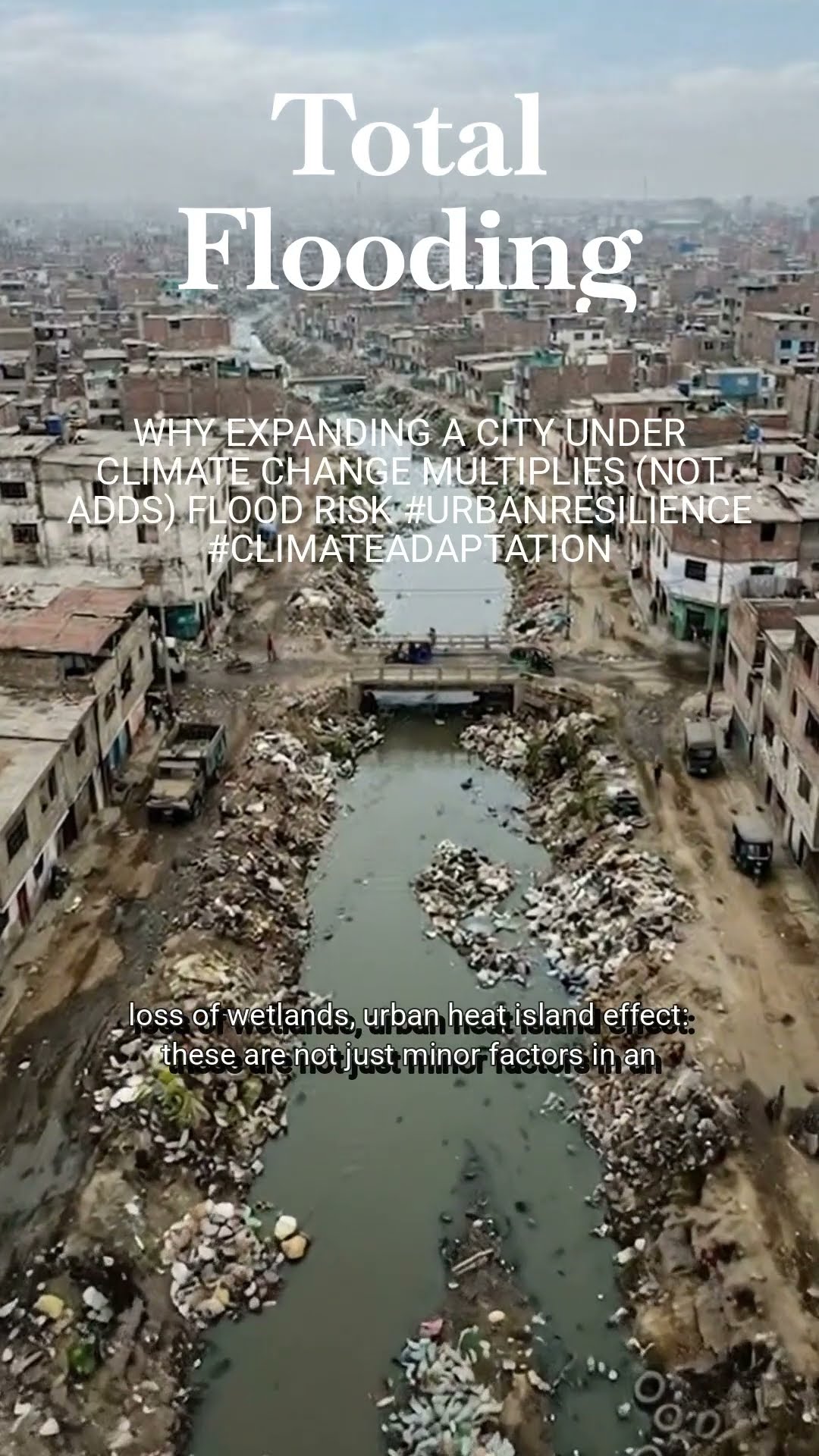
In neighborhoods where access to reliable transportation, utilities, or digital networks is limited, residents face serious challenges related to health, education, and employment opportunities. For example, areas lacking efficient public transport systems can severely restrict access to jobs and educational institutions. In this sense, infrastructures are not neutral technical systems; they act as powerful mechanisms that structure social inclusion or exclusion within urban environments. 🚧 Another key theme in the book is the emergence of the “dual city”, where technologically advanced and globally connected urban enclaves coexist alongside marginalized districts with inadequate services.
This growing polarization threatens social cohesion and can intensify urban tensions and conflicts. Graham and Marvin argue that addressing these disparities requires rethinking infrastructure planning and governance, ensuring that urban systems are designed to support equitable access rather than reinforce existing inequalities. In conclusion, “Splintering Urbanism” provides a critical perspective on how urban infrastructures shape social and spatial inequalities in modern cities. By highlighting the consequences of privatization, globalization, and selective infrastructure investment, Graham and Marvin call for new planning approaches that prioritize equity, accessibility, and inclusive urban development, ensuring that infrastructure systems benefit all residents rather than only privileged sectors of the city.
🌍🏗️
Frequently asked questions
How does splintering urbanism contribute to inequality?
Splintering urbanism leads to fragmented infrastructure access, reinforcing social and economic divisions by prioritizing wealthier areas over marginalized neighborhoods.
What are the consequences of fragmented urban infrastructures?
Fragmented infrastructures limit access to essential services, affecting health, education, and employment opportunities, and deepening existing inequalities.