Key points
- Visitors come for authenticity and their money converts homes and shops into rentals and souvenirs, destroying what they sought.
- Facadism preserves the shell and empties the interior; heritage policy counts buildings rather than neighbours.
- Venice, Barcelona and Amsterdam now cap rentals, cruise ships and visitors, but only housing protection keeps residents.
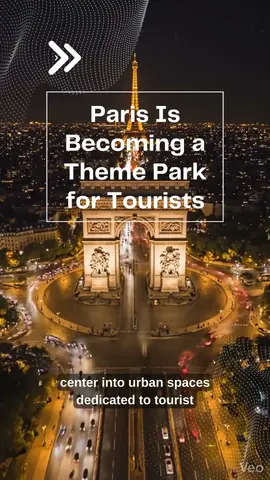
The historic centre as a deceptive façade is what results when a city preserves the stones of its old town and loses the people who lived in them: restored fronts, clean streets and full terraces behind which homes have become short-stay rentals, bakeries have become souvenir shops and the square where children played has become a photo spot. The paradox is that the district looks better than ever precisely when it has stopped being a neighbourhood. In summer 2024 residents of Barcelona sprayed tourists with water pistols, and Venice, Lisbon, Florence, Dubrovnik and Amsterdam have seen similar protests. The question they raise is when a place stops being a city and becomes a stage set of itself.
The paradox of authenticity: how the centre empties
The mechanism is well documented. A historic centre attracts visitors because of its authenticity, its old shops, its residents, its everyday life. Visitors bring money, and money finds its highest return in short-term rentals, tourist shops and terraces, which pay more per square metre than homes, groceries and workshops. Owners convert, rents rise, residents leave, local shops close for lack of customers who live there, and what remains is the architecture without the life that gave it meaning. The sociologist Sharon Zukin called this the paradox of authenticity: the search for the real destroys what it seeks. Venice, which had 175,000 residents in its historic city in 1951, has fewer than 50,000 today.
Facadism and heritage policy that counts buildings, not neighbours
Heritage policy has often accelerated the loss. Conservation rules that protect façades and cornices while ignoring uses and tenure produce what architects call facadism: the shell preserved, the interior emptied and repurposed for whoever pays most. UNESCO's World Heritage listing, sought as a badge of prestige, tends to multiply visitor numbers without instruments to keep residents in place; its 2011 Recommendation on the Historic Urban Landscape tried to correct that by treating the living community as part of the heritage, but few cities have applied it. Restoring stones is easy to fund and photograph; keeping a school open is not.
Venice, Barcelona, Lisbon, Dubrovnik: the scale of the loss
The data confirm the scale. In the Gothic Quarter of Barcelona, tourist accommodation came to exceed residents in some blocks before the city froze licences in 2014. In Lisbon's Alfama and Baixa, more than half of homes in several streets were registered as short-term rentals by 2018. Dubrovnik's walled city lost most of its population in three decades while cruise ships unloaded up to ten thousand visitors a day. Florence's centre has fewer residents than hotel beds. The pattern repeats wherever a compact, beautiful centre meets a global platform economy and a heritage policy that counts buildings rather than neighbours.
Entry fees, licence caps and housing protection: what cities are trying
Cities have begun to respond, unevenly. Venice introduced in 2024 an entry fee for day visitors and limits on cruise ships in the lagoon. Barcelona announced that all tourist rental licences will expire by 2028 and capped cruise terminals. Amsterdam limits short-term rental of whole homes to thirty nights a year, bans new hotels in the centre and moved its cruise terminal. Dubrovnik capped cruise arrivals. The European Union adopted in 2024 a regulation forcing platforms to share data with authorities, the condition for enforcing any rule. The measures that work combine limits on tourist accommodation with protection of housing, local retail and public services for residents.
The lesson of the deceptive façade is that heritage is not the building but the life it houses, and that a historic centre without residents is a museum with rents. Protecting it means counting neighbours as carefully as monuments: how many people live there, whether the school and the health centre survive, whether a family can afford to stay. A city that restores its stones and loses its people has preserved a set for other people's photographs and lost the reason the place was worth visiting.
Frequently asked questions
Why do historic centres lose their residents?
Because short-term rentals, tourist shops and terraces pay more per square metre than homes, groceries and workshops, so owners convert, rents rise, residents leave and local shops close for lack of customers who live there, leaving the architecture without the life that gave it meaning.
What are cities doing about touristified historic centres?
Venice charges day visitors and limits cruise ships, Barcelona will let all tourist rental licences expire by 2028, Amsterdam caps whole-home rentals at thirty nights and bans new central hotels, and the EU forces platforms to share data; the effective measures pair limits with housing and retail protection.