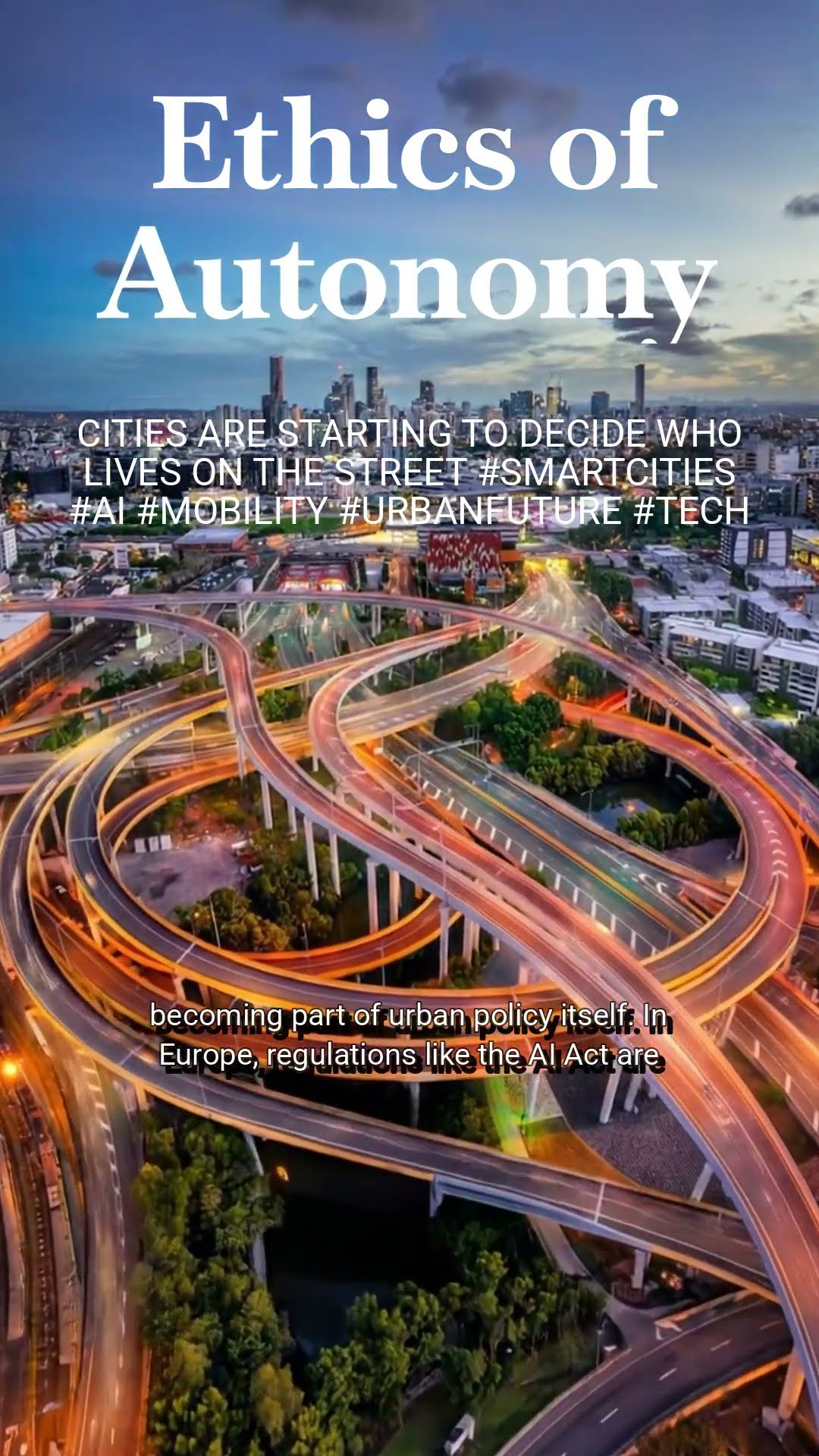
Planetary urbanization is a concept developed by Neil Brenner and Christian Schmid that seeks to expand our understanding of urbanization beyond traditional cities. According to this theory, processes of urbanization are not limited to densely populated urban areas but extend across vast territories, including those historically considered rural or natural. This perspective argues that today the entire planet is interconnected through global networks of production, consumption, and capital circulation, blurring the distinction between the urban and the rural. As a result, areas that once seemed distant from urban dynamics are now deeply integrated into these global systems.
Brenner and Schmid argue that global capitalism has transformed not only cities but also rural areas and natural spaces, which are increasingly shaped by the demands of large-scale production and consumption networks. For example, agricultural territories, mining regions, or coastal areas devoted to tourism have become part of this global network of urbanization. Although these areas may not display the physical characteristics of a city, they are linked to global urban processes such as resource extraction or the production of goods for international markets. One key aspect of planetary urbanization is the transformation of territories according to the needs of the global market.
Cities, according to Brenner and Schmid, cannot be understood as isolated entities; rather, they function as nodes within a global network that affects all territories. In this sense, even the most remote areas are influenced by global economic processes such as the expansion of transportation infrastructure, agricultural industrialization, or the exploitation of natural resources. The notion that the world is fully urbanized highlights that no place lies outside the reach of these global forces. However, this perspective has also been subject to criticism.
Some theorists argue that Brenner and Schmid’s theory of planetary urbanization risks overlooking local and regional differences in urbanization processes. These critiques emphasize that although global forces affect all territories, the ways in which these forces manifest can vary significantly depending on local contexts. For instance, the effects of globalization in an agricultural region in the Global South may differ greatly from those in an industrial city in the Global North. Another point of debate surrounding planetary urbanization is the idea that urban space has lost its “outside.”
Brenner and Schmid suggest that there is no longer a clear distinction between the urban and the non-urban, implying that all spaces—including rural areas—are integrated into the logic of global capital. However, this claim has been challenged by scholars who argue that some areas remain outside complete incorporation into global capitalist dynamics and continue to maintain locally driven processes. In conclusion, planetary urbanization provides a broad perspective on how global dynamics of production and consumption have transformed both cities and rural territories, dissolving the boundaries between the urban and the non-urban. Despite the criticisms it has received, this theory offers a valuable framework for understanding how global capitalism influences every corner of the planet, while recognizing that local particularities remain crucial for analyzing the complexity of these processes.