Andy Pratt
1958
British geographer who studies the cultural economy without the rhetoric: what a creative district actually produces, and at whose expense.
Pratt researches how work is organised in music, design, screen and fashion, and finds a reality quite different from the one cultural policy sells: short projects, irregular income, personal networks and a heavy dependence on rent staying cheap.
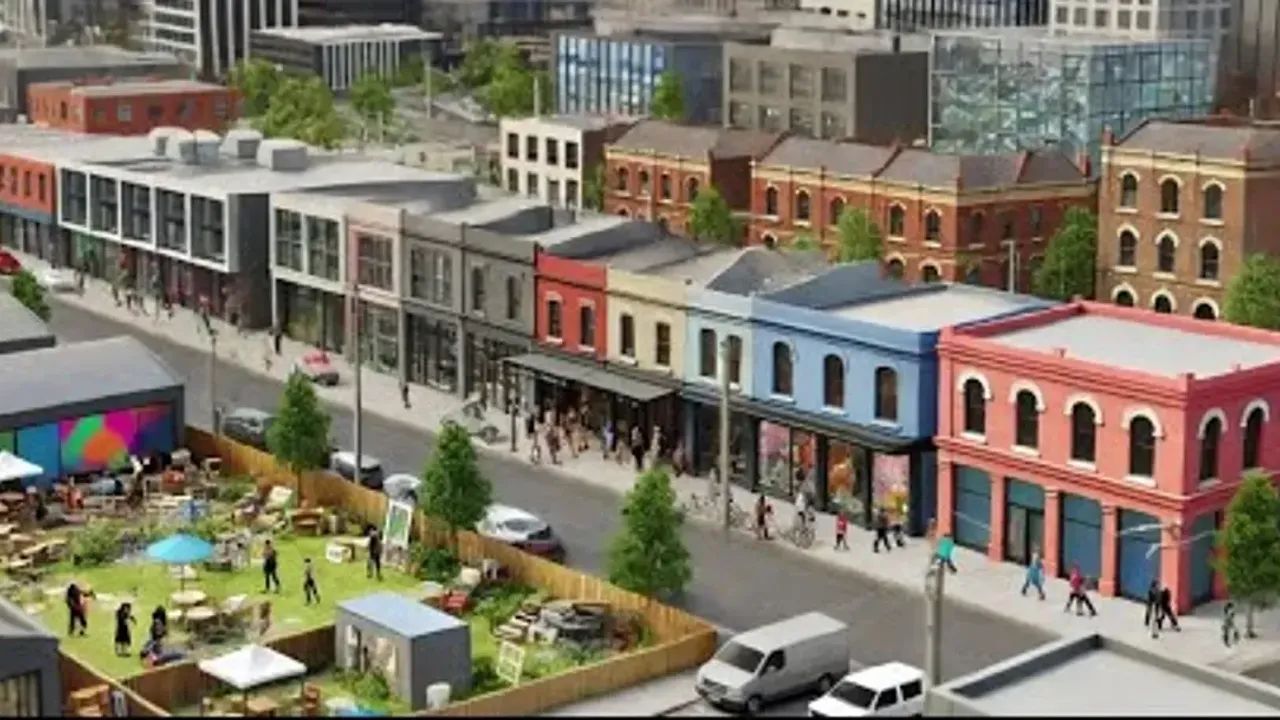
Hence his critique of the creative district as an urban instrument: the district's success drives land prices up and pushes out precisely the cultural workers who made it attractive. Policy that claims to support culture ends up, without meaning to, evicting it.
A British economic geographer, professor of cultural economy at City, University of London after spells at the London School of Economics and King's College, Pratt has been mapping since the 1990s how cultural goods are produced in cities. His 1997 article on the cultural industries production system gave the definition that official British statistics adopted, and his studies of Hoxton and Shoreditch showed how a neighbourhood of creative production turns into a neighbourhood of consumption that expels those who made it.
He has advised UNESCO, UNCTAD and several governments on creative economy policy, always with the same warning: creativity is work, precarious and concentrated, and policies that treat it as an atmosphere to attract talent confuse consumption with production. His critique of Richard Florida's creative class, formulated in 2008, and his insistence on local production ecosystems have guided the cultural policy of European cities that seek to sustain their creators rather than merely display them.
Hence his case for land policies for culture: workshops and studios at protected rents, productive uses guaranteed in planning, and support for networks of small firms, rather than flagship venues. Pratt argues that a new museum attracts visitors but does not sustain creators, and that urban cultural policy should be judged by how many people can keep working in the city, not by how many visit it.
On Andy Pratt in this archive (1)
- Urban economy
Creative Economy: Innovation or Inequality? Scott and Pratt
The creative economy drives urban innovation and distributes inequality. What Richard Florida, Allen J.
3 min read