Teresa Caldeira
1954
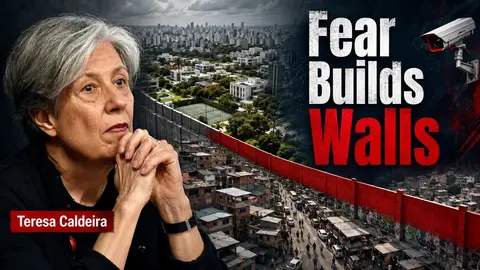
Brazilian anthropologist who explained how fear builds the city: walls, fortified enclaves and a democracy that expanded the vote without guaranteeing life.
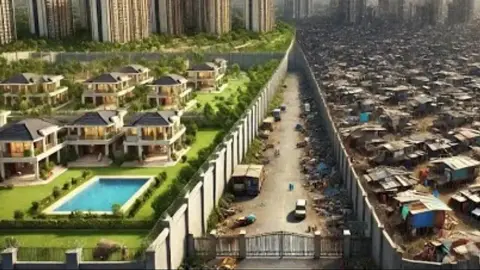
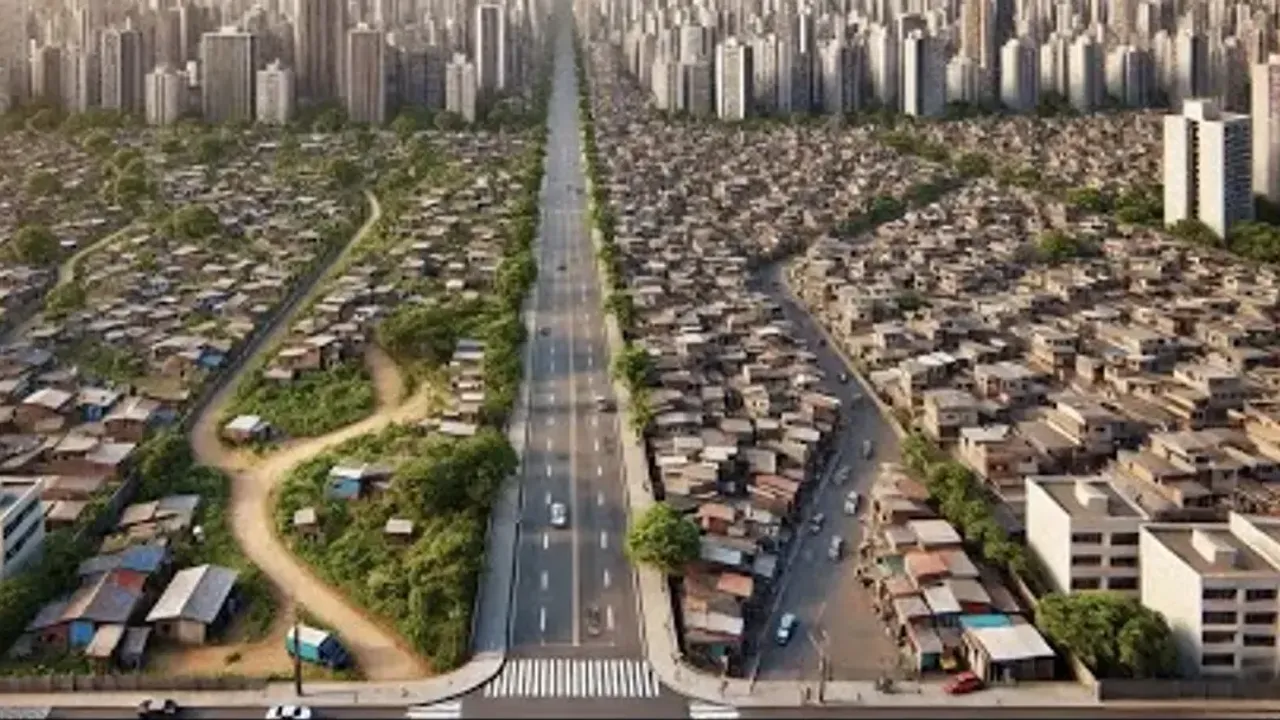
Born in São Paulo in 1954 and professor of city and regional planning at the University of California, Berkeley, Caldeira studied during Brazil's democratisation in the 1980s and 1990s how violence and fear reorganised her city. City of Walls (2000) is the result: the talk of crime, everyday conversations about robberies, turns the poor, Black people and migrants into threats, and fortified enclaves, gated developments, guarded towers and shopping centres, turn their backs on the street and manufacture a new segregation.
Her most uncomfortable finding is the democratic paradox: the walls grew precisely as political rights expanded, because civil rights, bodily integrity and justice, remained denied to the poor, and the elites responded to equality by withdrawing. With James Holston she formulated the idea of disjunctive democracy and studied the self-built peripheries of São Paulo.
Since 2010 she has turned to what she calls peripheral urbanization: residents of the edges produce city and citizenship by their own rules and rhythms, and their cultural practices, hip hop, graffiti and pichação, claim presence in a city that excludes them. Her work has travelled to studies of gated enclaves around the world, from Mexico City to Johannesburg, and is the reference for understanding how private security produces the unequal city.
Videos on Teresa Caldeira (2)
- Urban geopolitics
Teresa Caldeira and São Paulo: Growth, Inequality and Equity
Teresa Caldeira explains how São Paulo grew through self-built peripheries and split into fortified enclaves.
Teresa Caldeira 3 min read - Urban geopolitics
Teresa Caldeira's City of Walls: Segregation and Fear in São Paulo
City of Walls (2000) by Teresa Caldeira explains how fear of crime turned São Paulo into a city of fortified enclaves.
Teresa Caldeira 3 min read
Where Teresa Caldeira is cited (9)
- Surveillance / data
Urbanized Fear: Security, Segregation and Resistance in the City
Teresa Caldeira explains how fear designs the city: the talk of crime, fortified enclaves in São Paulo, the paradox…
3 min read - Public space
Security Through Walls: Protection or Segregation?
Gated communities privatise surveillance and empty the street. What Caldeira, Low and Sabatini show about fortified…
3 min read - Public space
Insurgent Citizenship: James Holston and the Peripheries of São Paulo
James Holston's insurgent citizenship explains how the residents who self-built São Paulo's peripheries won rights…
James Holston 3 min read - Public space
Urban Territoriality: Inclusion and Exclusion (Low and Delaney)
Urban territoriality explains how groups and institutions mark and control city space. What Setha Low and David…
3 min read - Public space
Insurgent Citizenship: James Holston and the City from Below
James Holston's insurgent citizenship explains how São Paulo's peripheries won rights by building their…
James Holston 3 min read - Urban geopolitics
Forced Displacement in the Global South: A Growing Urban Crisis
Forced displacement in Global South cities grows through development, violence and climate. What Mike Davis and…
3 min read - Urban geopolitics
Postcolonial Urban Fragmentation: Inequality and Resistance
Why postcolonial cities remain divided: Fanon's city, Graham and Marvin's splintering infrastructure, Caldeira and…
3 min read - Urban psychology
Urban Violence and Insecurity: Caldeira, Wacquant and Davis
Urban violence and fear reorganise the city into gated enclaves and abandoned peripheries. What Teresa Caldeira,…
2 min read - Urban psychology
Urban Violence and Security Policies in Unequal Cities
Citizen security policies swing between the iron fist and prevention. What Teresa Caldeira and Lucía Dammert show…
3 min read