Key points
- Canclini: hybridity does not place three intact cultures side by side; contact transforms what becomes connected.
- Latin America lives a modernity without modernization, with traditions that never left and a modernity that never fully arrived.
- Consumption is a form of citizenship and urban imaginaries mix media, personal experience and memory.
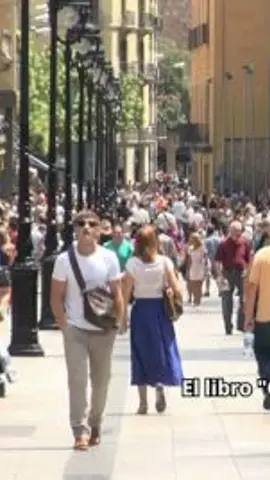
Cultural hybridity is the process by which traditional, modern and global practices mix in the city and change meaning as they cross, and the Argentine-Mexican anthropologist Néstor García Canclini made it, in Hybrid Cultures (1990), the key to understanding Latin American urban culture. On one street we find a local tradition, a global brand, a street vendor and a screen, and nothing remains completely separate: each element gains meaning through contact with the others. Canclini's question is what happens to urban culture when tradition, modernity and globalization meet every day, and his answer rejects the idea of pure identities resisting outside influences: cities produce crossings, adaptations and new meanings, and urban life is a moving construction shaped by consumption, media, imaginaries and citizenship.
Hybrid Cultures: modernity without modernization in Latin America
The mechanism begins when practices from different worlds enter into relationships. Something traditional can continue existing while acquiring new meanings, a modern practice can mix with earlier customs and global flows add objects, images and references. Hybridity does not place three intact cultures beside each other: contact transforms what becomes connected. Canclini studied it in the crafts sold in tourist markets and museums, in the graffiti and comics that cross high and popular culture and in traditional festivals broadcast on television, and his thesis is that Latin America lives a modernity without modernization, with traditions that never left and a modernity that never fully arrived, coexisting in the same urban space.
Consumers and Citizens: consumption as urban culture
Consumption is the second setting. In Consumers and Citizens (1995), Canclini argues that buying is not only an economic action but a way of taking part in urban culture: objects participate in identification and in ways of experiencing the city, and people select, combine and reinterpret what they encounter. When someone enters a shopping centre and finds local references beside products from global circuits, meanings circulate as well as goods, and cultural differences stop being kept in separate compartments to meet through activities as ordinary as consuming, moving and sharing space. Canclini sees in consumption a form of citizenship, because through it rights are exercised and meanings contested.
Urban imaginaries: imagining a city nobody crosses in full
Urban imaginaries are the third setting. In Imaginarios urbanos (1997), Canclini used surveys and photographs to study how the inhabitants of Mexico City imagine a metropolis nobody can cross in full: the representation circulated by the media mixes with personal experience, consumption and memory, and from that combination emerges a shared way of imagining what the city means. Living in a city also means interpreting it, and two people cross the same territory through different cultural references; the local can be thought through global languages, and global references acquire specific meanings inside a particular city. Urban culture again appears as a crossing rather than a stable essence.
The counterargument: hybridity does not mean harmony
There is a strong counterargument. Talking about hybridity could make every mixture appear balanced, suggest that differences no longer matter or hide conflicts of identity, interest and power behind a friendly word; critics such as John Beverley reproached the concept for its optimism and its closeness to the language of the market. Canclini replied in later editions that hybridity is not harmony: there are imposed, unequal and painful mixtures, and recognising them does not erase inequality but avoids the explanation in which every culture remains intact behind a boundary. The concept is useful because it describes transformation without automatically treating it as loss.
Canclini's lesson for planning is that the Latin American city cannot be planned as if its cultures were compartments. The street where tradition, the global brand, the vendor and the screen coexist is not a disorder to correct but the place where belonging is produced, and cultural and urban policies that recognise that mixture, popular markets beside shopping centres, festivals in public space, community media, serve residents better than those that try to separate high from popular and local from global. Where cultures mix, forms of belonging emerge that no pure identity would have produced.
Frequently asked questions
What is cultural hybridity according to García Canclini?
The process by which traditional, modern and global practices mix in the city and change meaning as they cross, with none remaining intact; Canclini studied it in crafts, graffiti, televised festivals and consumption and proposed it as the key to Latin American urban culture.
What criticism does the concept of hybridity receive?
That it can make every mixture look balanced and hide conflicts of identity, interest and power; Canclini replied that hybridity is not harmony, that there are imposed and unequal mixtures, and that recognising them avoids the explanation in which every culture remains intact behind a boundary.