Key points
- Touristification transforms heritage neighbourhoods to attract tourists, at the expense of those who live there.
- Zukin shows in Naked City how the market capitalises on the search for authenticity.
- Sassen adds that in global cities international capital raises housing costs and pushes residents out.
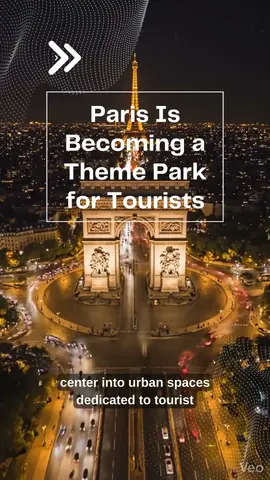
Touristification is the transformation of an urban area, especially one with cultural heritage, to serve visitors before residents: homes turned into holiday rentals, everyday shops replaced by leisure, and prices that push out those who lived there. It involves the commodification of urban culture and the displacement of residents, and rather than benefiting local communities it tends to turn the city into a consumer product in which authenticity is sold as an experience while the social dynamics that produced it erode. Two authors help to understand it: Sharon Zukin and Saskia Sassen.
Sharon Zukin: authenticity for sale
Sharon Zukin, a sociologist at the City University of New York, examines in Naked City: The Death and Life of Authentic Urban Places (2010) how New York has been transformed by gentrification and touristification. Her thesis is that the search for authenticity has been capitalised by the market: neighbourhoods that were spaces of community life become commodities because tourists and new middle-class residents look for the authentic in them, and that search makes what made them attractive disappear. Touristification thus reinforces urban inequality: it displaces local communities and replaces them with a homogeneous landscape designed for consumption.
Saskia Sassen: global capital pushes residents out
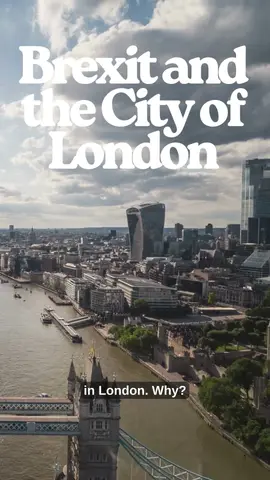
Saskia Sassen complements that analysis from the global scale. Global cities such as New York and London have become magnets for international capital, and investment in tourism infrastructure is part of that flow. Sassen shows that in those cities lower-income residents are pushed out of their neighbourhoods as housing costs rise and areas are redeveloped for global tourism. The process transforms the urban fabric and reinforces social exclusion, because the benefits of development are not shared.
Urban culture as commodity
One of the main effects is the commodification of urban culture. Zukin explains how elements that were part of the daily life of communities — food, traditions, architecture — become products for tourists. The neighbourhood loses its authenticity and becomes an artificial environment designed to meet the visitor's expectations rather than the resident's needs: a city that looks vibrant and culturally rich to the tourist, and that has lost its diversity and character.
Who profits
Touristification also has economic implications. Investment in hotels, restaurants and holiday accommodation tends to benefit large corporations and international investors, while small local businesses struggle to survive in an increasingly competitive market with rising commercial rents. Sassen and Zukin agree that this dynamic worsens the city's economic inequality, because the profits of tourism are not redistributed among those who live there while its costs are: noise, prices, lost services.
Touristification and commodification transform urban space in favour of tourists and economic elites and marginalise residents. Zukin and Sassen show that tourism can be a source of income and at the same time carries a high social cost when it strips communities of their culture and their homes. The answer lies in urban policies that put residents first — limits on holiday rentals, protection of neighbourhood shops, affordable housing — and promote more equitable development, as Barcelona, Lisbon and Amsterdam are already trying to do.
Frequently asked questions
What is touristification?
The process by which an urban area, especially one with cultural heritage, is transformed to serve tourists before residents: homes turned into holiday rentals, everyday shops replaced by leisure, and prices that push out those who lived there.
What does Sharon Zukin say about touristification?
In Naked City (2010) she analyses how New York has been transformed by gentrification and touristification: the search for authenticity has become a business, and cultural elements that were once part of neighbourhood daily life are sold as an experience.