Key points
- Urban vegetation lowers temperature through shade and evaporation, consuming no energy at all.
- Wetlands and green areas filter and retain water better than the sewer network alone.
- McHarg proposed starting from a site's natural systems before drawing anything on top.
Green infrastructure has become a key solution for addressing environmental challenges and improving quality of life in cities. This concept encompasses the integration of ecological systems—such as parks, green corridors, green roofs, and vertical gardens—into the urban environment. Authors such as Timothy Beatley, Ian McHarg, and Herbert Girardet have explored how nature can be incorporated into urban planning to mitigate the effects of climate change, reduce pollution, and create more sustainable cities. These approaches not only improve the well-being of residents but also offer long-term solutions to environmental challenges.
Timothy Beatley, in his work Green Urbanism, argues that green infrastructure is essential for creating healthier and more sustainable cities. Beatley emphasizes that nature should not be seen as separate from cities, but as an integral part of their design. According to Beatley, green spaces such as parks and community gardens not only provide recreational areas for residents but also contribute to improving people’s mental and physical health. In addition, these green areas help mitigate the effects of climate change by absorbing carbon dioxide, reducing urban temperatures, and improving air quality.
Ian McHarg, a pioneer in ecological planning, presented in his book Design with Nature the idea that natural systems should form the basis of any urban planning process. McHarg proposed that, rather than building cities that ignore the environment, planners should take advantage of natural processes—such as water management and biodiversity—to create more resilient urban environments. Green infrastructure, according to McHarg, can be used to manage water resources effectively, reduce the risk of flooding, and protect local ecosystems. For him, urban design must be aligned with nature, maximizing its benefits rather than destroying it.
The heat island and shade
Herbert Girardet, in Cities, People, Planet, emphasizes the need to transform cities into circular systems, where resources are reused and waste is minimized. Girardet argues that green infrastructure is fundamental to achieving this goal, since green roofs and vertical gardens, for example, not only beautify the urban environment but also capture rainwater, improve the thermal insulation of buildings, and promote biodiversity in urban areas. For Girardet, cities must evolve toward a more ecological model, where green infrastructure plays a central role in reducing environmental impact. One of the key benefits of green infrastructure is its ability to address the phenomenon known as the urban heat island effect, which refers to the increase in temperatures in cities due to heat absorption by concrete and asphalt surfaces.
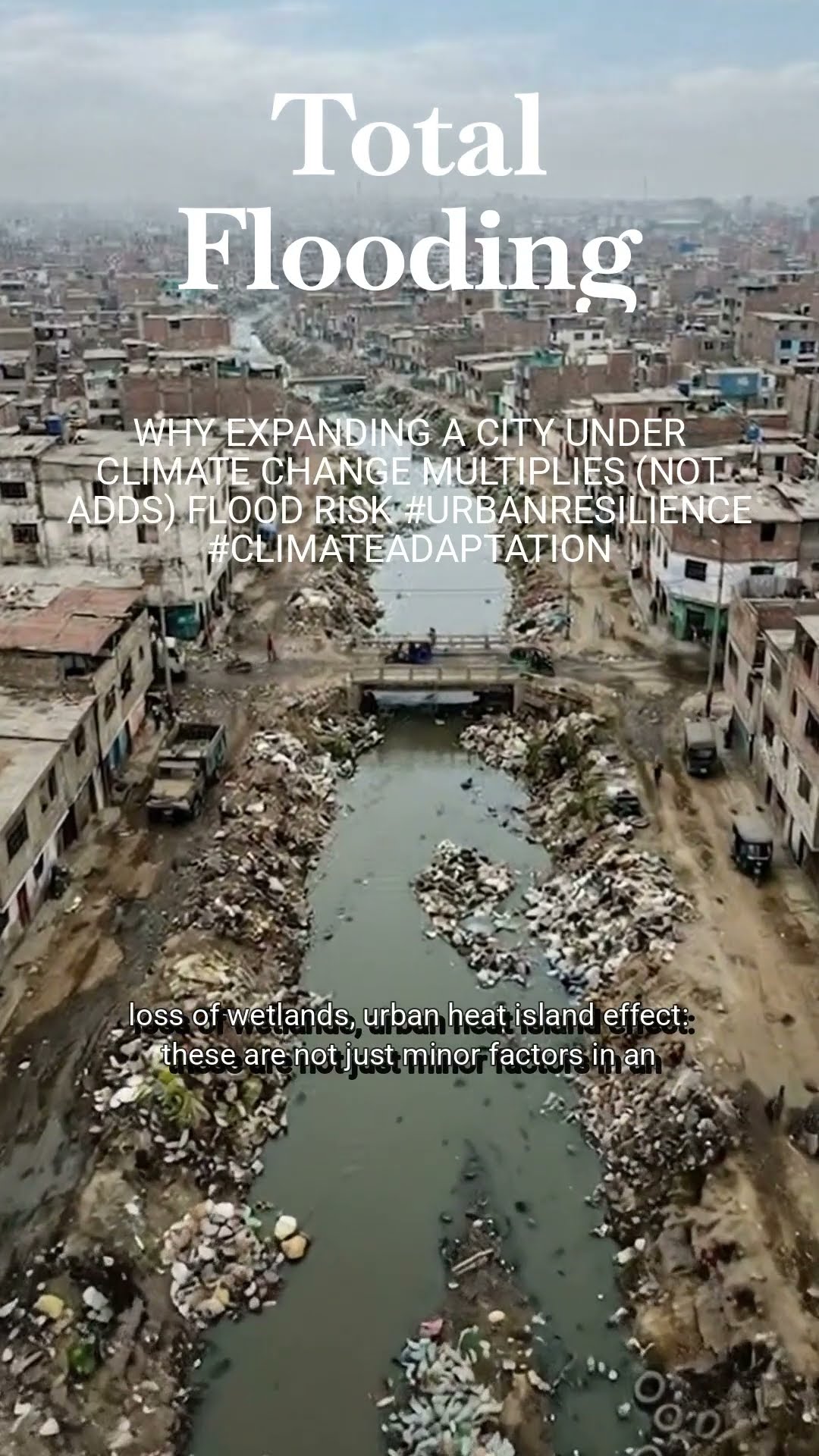
Beatley, McHarg, and Girardet all agree that urban vegetation can counteract this effect by providing shade and cooling the air through evaporation. This not only improves residents’ comfort but also reduces energy consumption related to the use of air conditioning during the hottest months. Furthermore, green infrastructure has a direct impact on water management in cities. McHarg emphasized the importance of using natural systems—such as wetlands and green areas—to manage stormwater and reduce the risk of flooding.
Water before the pipe
These natural systems can filter and retain water, preventing cities from relying solely on gray infrastructure such as sewers and pipes. This approach is not only more efficient but also more sustainable in the long term, as it reduces maintenance costs and promotes a natural water cycle. In summary, green infrastructure is an essential component of modern urban planning because it offers multifunctional solutions to improve quality of life and reduce the environmental impact of cities. Authors such as Timothy Beatley, Ian McHarg, and Herbert Girardet have demonstrated how ecological systems can be effectively integrated into urban design, promoting more sustainable and resilient cities.
By incorporating green spaces and natural elements into cities, it is possible not only to address current environmental challenges but also to create more livable and healthier environments for future generations.
Frequently asked questions
What is urban green infrastructure?
The integration of ecological systems — parks, green roofs, gardens, wetlands and street trees — into city planning, so they perform functions normally solved with civil engineering: regulating temperature, managing water and supporting biodiversity.
How does green infrastructure counter the heat island?
By providing shade and cooling the air through evaporation. That improves residents' comfort and cuts energy consumption for cooling, with no installations required.