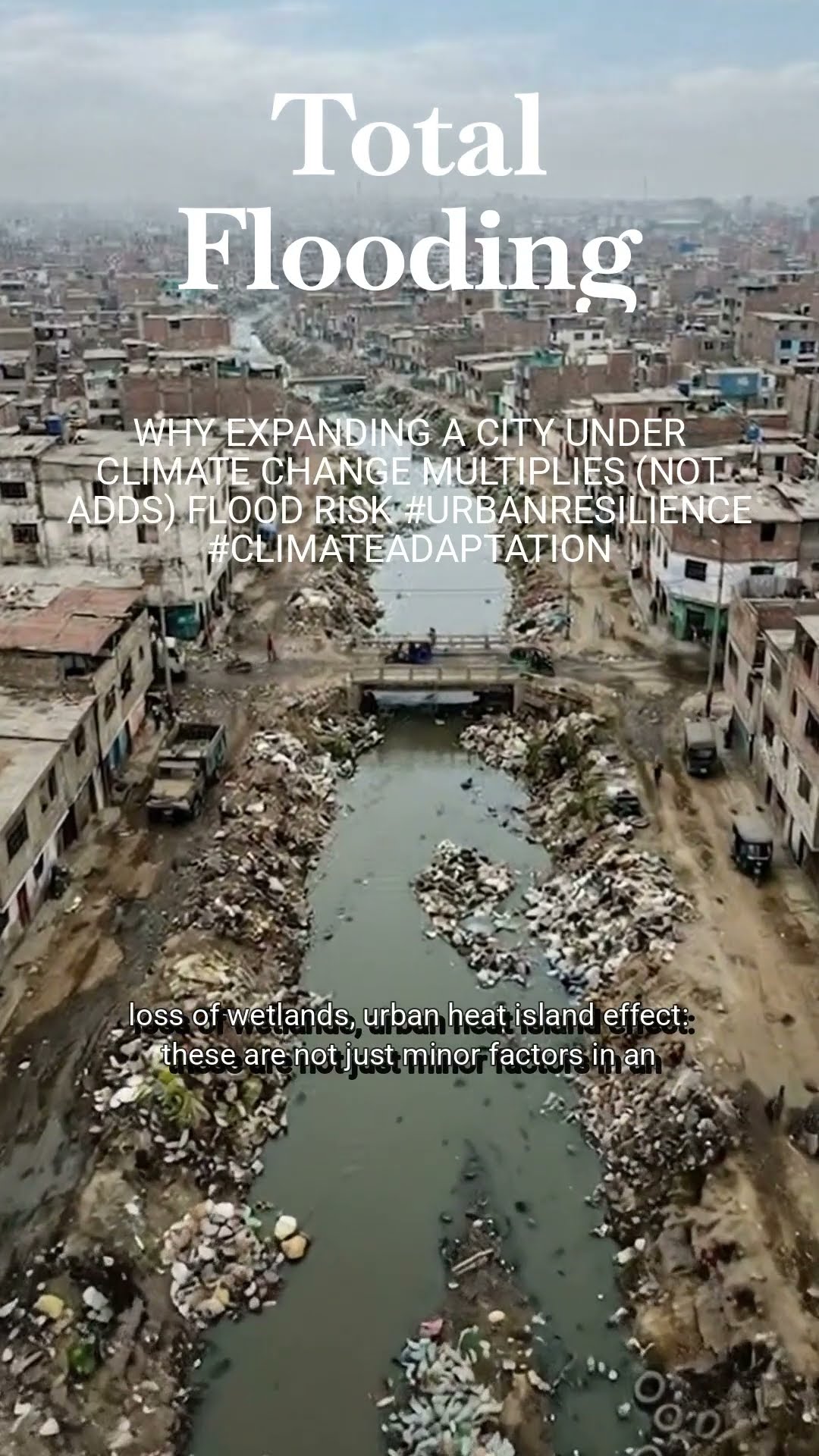
Urban waste management has become an increasing challenge due to rapid urban population growth and rising consumption levels. 🌍🗑️ As cities expand, the volume of solid waste they generate also grows, creating serious environmental, economic, and public health problems. Scholars such as Paul Connett, Ken Webster, and Daniel Hoornweg have analyzed how cities can improve waste management through strategies focused on reduction, recycling, and circular economy principles, aiming to minimize waste and make more efficient use of resources. In The Zero Waste Solution, Connett promotes the concept of “zero waste”, an approach that seeks to virtually eliminate landfills and incineration.
According to Connett, this can be achieved by implementing effective recycling systems, composting programs, and policies that reduce waste at the source. The zero-waste approach also requires rethinking product and packaging design so that materials can be reused or recycled instead of becoming waste. Connett emphasizes that public education combined with strong recycling infrastructure can significantly reduce the amount of waste sent to landfills. Ken Webster focuses on the importance of the circular economy, a model that replaces the traditional linear system of “take, make, dispose.”
In The Circular Economy: A Wealth of Flows, Webster argues that cities should develop systems where materials are reused continuously. This transition not only reduces waste but also generates economic benefits by creating new jobs and encouraging innovation in recycling and reuse technologies. Cities that adopt circular systems—where the waste of one sector becomes a resource for another—can become more resilient and sustainable over time. 🔄♻️ Daniel Hoornweg, in The State of Waste Management in Cities, highlights the need for integrated urban waste management systems.
As urban populations grow, he stresses the importance of improving collection and processing infrastructure, particularly in densely populated areas. Hoornweg advocates policies that encourage recycling, composting, and especially waste reduction at the source, including incentives for companies to reduce single-use materials. He also underscores the importance of adequate funding and public–private collaboration to ensure efficient waste management systems. A strategy strongly supported by all three authors is source separation, where households sort waste before collection.
This practice simplifies recycling processes and reduces processing costs. Connett notes that with effective education and awareness campaigns, cities can achieve recycling rates above 80%. Webster emphasizes that circular economies depend on correct material separation, while Hoornweg stresses the need for supportive policies and infrastructure to make these systems work effectively. Technology also plays an important role in improving waste management.
Advanced recycling plants, automated sorting systems, and smart waste collection technologies allow cities to optimize waste treatment and logistics. However, both Webster and Hoornweg caution that technological solutions must be accompanied by policy changes and behavioral shifts among citizens to achieve meaningful results. 🤖🏙️ In conclusion, urban waste management must evolve toward more sustainable models based on waste reduction, recycling, and circular economy principles. The work of Connett, Webster, and Hoornweg highlights the need for cities to rethink how resources are produced, used, and recovered.
By adopting zero-waste strategies and circular systems, cities can reduce environmental impacts, improve public health, and foster more sustainable economic development. 🌱♻️