Urban reforestation has gained increasing importance as a key strategy to address climate change and improve quality of life in cities. As urban areas expand and green spaces diminish, many cities are turning to tree planting and reforestation initiatives to mitigate the negative impacts of urbanization, such as rising temperatures, air pollution, and biodiversity loss. Researchers and organizations including David Nowak, Arbor Day Foundation, and Karen Seto have studied and promoted the benefits of these strategies, emphasizing how urban reforestation can transform urban environments and contribute to sustainable development. David Nowak has focused much of his research on quantifying the environmental and health benefits of urban trees.
His studies demonstrate that planting trees in cities can significantly reduce urban temperatures, particularly in densely built areas, through shade and evapotranspiration. Trees also capture pollutants such as carbon dioxide and ozone, contributing to improved air quality. According to Nowak, urban reforestation is not only a climate mitigation strategy but also a public health intervention, as access to green spaces is associated with lower rates of respiratory and cardiovascular diseases. The Arbor Day Foundation has played a major role in promoting global urban tree planting initiatives.
Through programs that support reforestation in both urban and rural areas, the organization seeks to restore degraded ecosystems and enhance biodiversity. Trees provide critical habitats for urban wildlife, including birds, insects, and small animals. The foundation strongly advocates planting native tree species adapted to local climates, ensuring that reforestation projects remain sustainable over time and contribute to ecological balance within cities. Karen Seto, in her work The Urban Planet, examines how urban expansion affects ecosystems and how reforestation can help counteract these impacts.
Seto argues that with appropriate planning, cities can partially reverse biodiversity loss by creating networks of parks and green corridors that connect natural areas. These green infrastructures not only capture carbon and mitigate climate change but also provide habitats for native species displaced by urban development. Seto emphasizes that urban reforestation should not be seen as an isolated measure but as part of a broader sustainable urban planning strategy. A key point highlighted by these scholars is that urban reforestation must be carefully planned and managed.
Nowak stresses that selecting appropriate tree species is essential to ensure their survival in urban environments, where soil conditions, pollution, and heat stress can be more severe than in natural ecosystems. Similarly, the Arbor Day Foundation emphasizes the importance of community involvement, encouraging residents to participate in planting and maintaining urban trees to ensure long-term success. Urban reforestation also plays a critical role in climate resilience. Both Nowak and Seto point out that urban trees help reduce the urban heat island effect, which occurs when built environments absorb and retain heat, raising local temperatures.
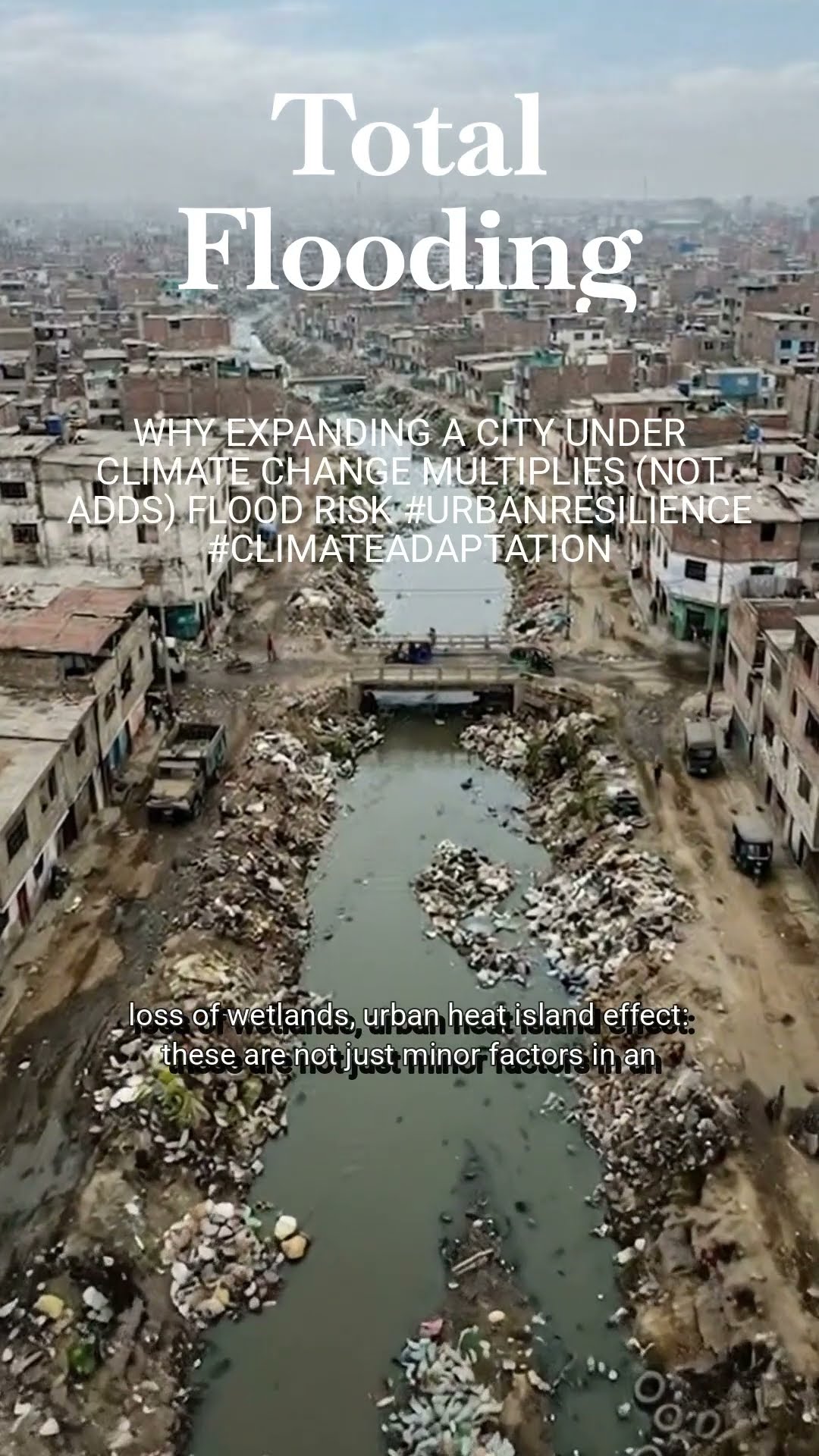
By cooling cities, trees also reduce the demand for air conditioning, indirectly lowering greenhouse gas emissions. Additionally, trees contribute to stormwater management, helping absorb rainwater and reducing the risk of urban flooding. In conclusion, urban reforestation is an effective strategy for combating climate change, improving air quality, and enhancing biodiversity in cities. The work of Nowak, the Arbor Day Foundation, and Seto demonstrates that the benefits of urban trees extend far beyond aesthetics, contributing to public health, ecological sustainability, and climate resilience.
With proper planning and strong community engagement, cities can use reforestation as a powerful tool to address environmental challenges and create healthier and more livable urban environments. 🌳🏙️🌍