Key points
- Value is created by rezoning and public infrastructure before private capital arrives; the ribbon photo hides that order.
- Flyvbjerg: nine out of ten mega-projects run over budget and benefits are systematically overestimated.
- Land value capture, evidence-based forecasting, shared risk and one public balance sheet realign the accounts.
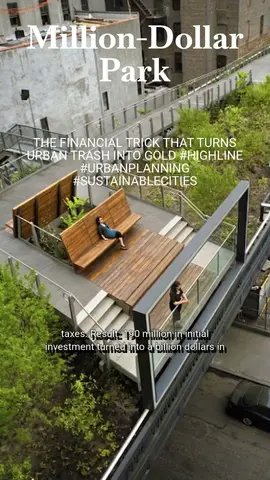
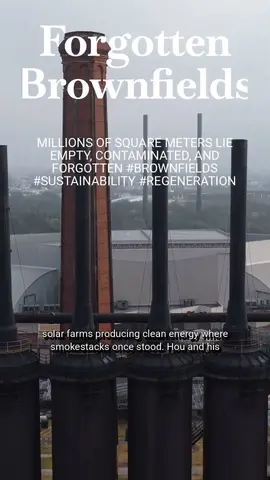
Who pays when a mega-project fails is a question of accounting before it is one of architecture, and the answer follows from the order in which value is created. First comes the public decision: rezone the land, allow more floor space, draw a station on the map. That decision alone multiplies the value of a site before a brick is laid. Then comes public investment in infrastructure, the metro line, the park, the clean-up of the railway yard, which makes the plot usable. Only then does private capital arrive to build and sell. The photograph of the ribbon-cutting shows the last step and hides the first two, and that concealment is where the cost is shifted from those who profit to those who pay.
Nine out of ten over budget: Flyvbjerg's evidence
The evidence on outcomes is unusually consistent. Bent Flyvbjerg, who has assembled the largest database of large projects in the world, found that nine out of ten run over budget, that overruns of 50 percent are common and that benefits are systematically overestimated. His explanation is not incompetence but incentive: promoters have every reason to present low costs and high benefits to win approval, and by the time reality arrives the decision is irreversible. Montreal finished paying for its 1976 Olympic stadium in 2006. Berlin's new airport opened nine years late at three times its budget. Valencia's City of Arts and Sciences cost four times its estimate and left the region with debt for decades.
Private gains, public losses: the distribution of risk
The distribution of gains and losses is where the accounting matters. When a project succeeds, the increase in land value created by public decisions and public money accrues largely to the landowners and developers around it, unless the city has instruments to capture it. When a project fails, the debt stays with the public: guarantees called in, bonds repaid from general taxes, services cut to cover the shortfall. Hudson Yards in New York received several billion dollars in tax breaks and a subway extension paid by the city; the towers are private, the risk was public. The pattern repeats from Olympic villages to stadiums financed with municipal bonds.
Land value capture, reference class forecasting and shared risk
There are ways to align the accounts. Land value capture lets the city recover part of the uplift its own decisions create: betterment levies, sale of building rights as in São Paulo's certificates, tax increment financing when it is honestly designed, or simply keeping public land in public hands and leasing it, as Vienna and Singapore do. Reference class forecasting, Flyvbjerg's method of estimating costs from the actual outcomes of similar projects rather than from the promoter's numbers, corrects optimism before approval. And clauses that share downside risk with the private partner, rather than only upside, change who cares whether the estimate is true.
One balance sheet per project: transparency before the ribbon
Transparency is the other half. Most mega-project decisions are taken with the costs in one document, the tax breaks in another, the zoning change in a third and the infrastructure in a fourth, so that no citizen ever sees the whole account. Cities that publish a single balance sheet for each large project, listing what the public gives in land, money, rules and guarantees and what it receives in housing, jobs, tax and risk, make it possible to judge the deal before the ribbon rather than after the bailout. London's Olympic legacy company and Copenhagen's port development corporation are examples of structures designed to keep that account public.
The question of who wins when a city is transformed has a stable answer as long as the order of value creation is hidden: those who own the land at the moment of the public decision. Making the order visible changes the answer. A city that captures the value it creates, forecasts costs from evidence, shares risk with its partners and publishes the whole account can still build ambitious projects; it simply stops paying for other people's towers. The ribbon-cutting photograph then shows what it should: a public investment whose returns come back to the public.
Frequently asked questions
Why do mega-projects run over budget so often?
According to Bent Flyvbjerg, because promoters have every incentive to present low costs and high benefits to win approval, and once reality arrives the decision is irreversible; nine out of ten large projects exceed their budget.
What is land value capture?
It is the set of instruments by which a city recovers part of the land value increase its own decisions and investments create, such as betterment levies, the sale of building rights or keeping public land in public hands and leasing it.