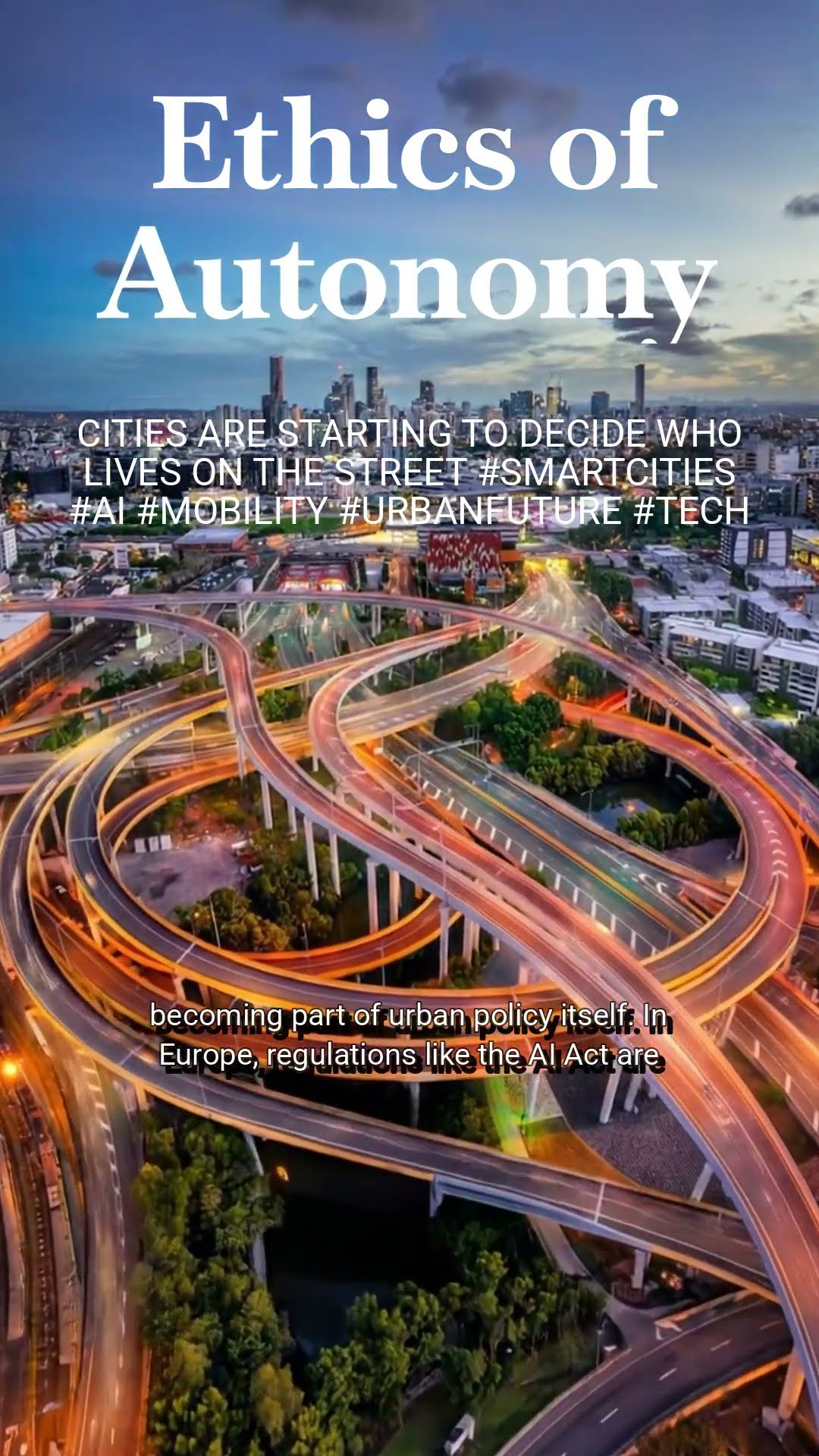
The book The Right to the Smart City (2019), by Paolo Cardullo, Cesare Di Feliciantonio, and Rob Kitchin, examines how the concept of the “right to the city,” proposed by Henri Lefebvre, can be adapted to the digital age and the context of smart cities. The authors explore how smart-city initiatives, generally driven by corporate interests and neoliberal governments, may not benefit all citizens equally. In many cases, this perpetuates existing urban inequalities. One of the book’s main arguments is that “smart cities,” as they are currently conceived, tend to reproduce the power structures of neoliberal capitalism.
Technological and urban infrastructures are often implemented with the aim of maximizing efficiency and control. However, this approach does not necessarily seek to improve social equity or the quality of life of all citizens. This bias in urban technology policies prioritizes the interests of technology companies and political elites. As a result, the most vulnerable sectors of society are overlooked.
This reinforces the idea that smart cities can reproduce and amplify existing inequalities. The concept of the “right to the city” is reinterpreted within this digital context. The authors argue that citizens should play a more active role in creating and managing urban technologies. Rather than being passive recipients of technology policies, people should participate meaningfully in decisions concerning data use, surveillance, and technological planning.
This is especially relevant given the growing use of “mass data collection” in smart cities. Although data are essential to managing these environments, they also raise concerns about privacy and citizens’ control over their information. Public participation in these issues is crucial to preventing exclusion and protecting citizens’ rights. The book also highlights the role of “community initiatives” and urban movements in creating more inclusive alternatives for smart cities.
The authors discuss examples of projects that seek to democratize access to technology and encourage greater citizen participation in decision-making. These initiatives demonstrate that smart cities should not merely be technologically advanced spaces. They should also be places where technology serves to “empower” citizens and improve their well-being. In this context, technology should advance equity and social justice.
In conclusion, The Right to the Smart City argues that smart cities must undergo a fundamental change in how they are conceived and governed if they are to become truly inclusive. Citizens must have the right to participate actively in shaping their urban environments. Furthermore, the technologies implemented should benefit the majority rather than only a privileged minority. The book calls for smart cities to be reimagined from the perspective of “social justice” and “urban democracy.”
This means extending the right to the city into the digital age while addressing the complex dynamics involved in the technological transformation of urban spaces.