Stephen Chiu
desde 1990
Hong Kong sociologist who explained how his city moved from industrial port to global financial centre, and what holding that position costs socially.
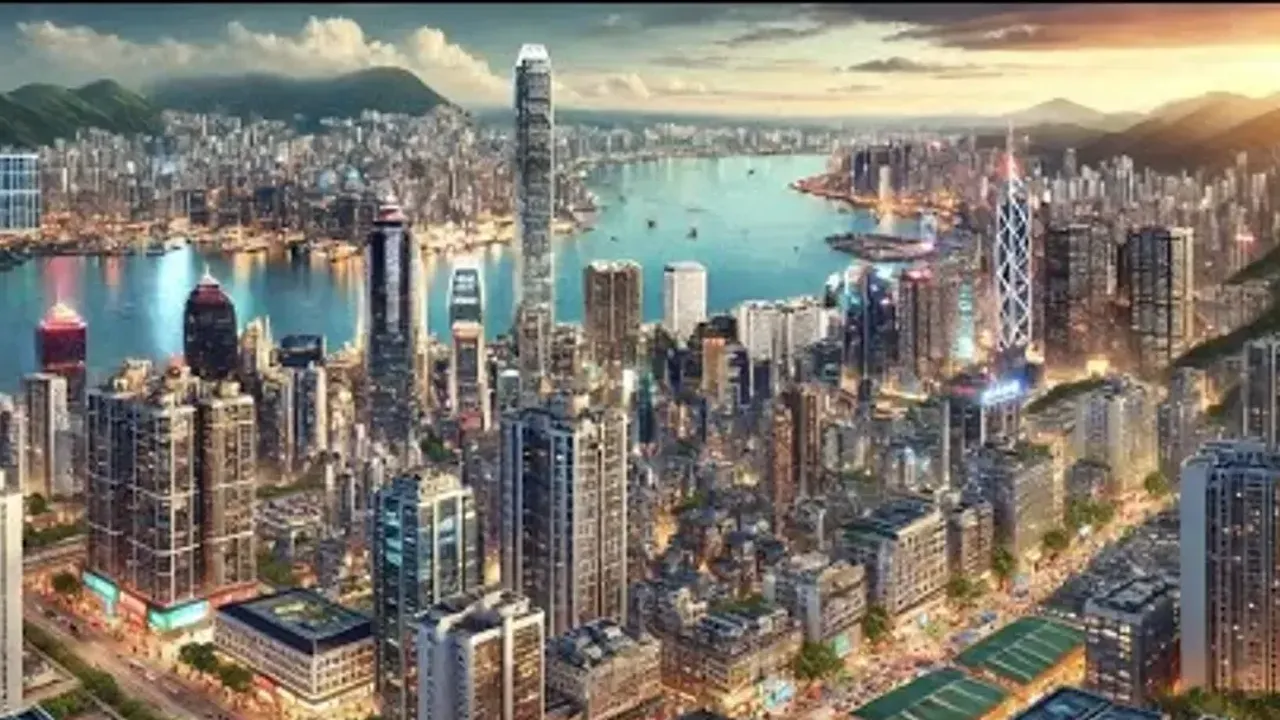
Chiu describes a transformation that took less than twenty years. Until the 1980s Hong Kong was a city of factories: textiles, plastics, toys, assembled electronics. When China opened the Pearl River Delta, those factories crossed the border almost as a bloc, and the city was left with management, finance, logistics and services — the profitable part, and far less middling employment.
The result is his most cited diagnosis: a very high value-added economy with a polarised social structure, in which the industrial working class disappeared without being replaced by anything else, and in which housing prices act as the main mechanism of exclusion. The richest city in its region also has one of the worst income-to-rent ratios in the world.
Stephen Wing-kai Chiu is a sociologist, was a professor at the Chinese University of Hong Kong and now teaches at the Education University of Hong Kong. His field spans the sociology of work, East Asian economic development and social movements.
Hong Kong: Becoming a Chinese Global City (2009), written with Tai-Lok Lui, is his best-known work, and it makes a claim the word global usually hides: Hong Kong did not globalise generically but as a gateway to China, and its fortunes depend on that specific relationship. City States in the Global Economy (1997) compared its trajectory with Singapore's, and his work on social movements anticipated much of the urban conflict that followed.
Videos on Stephen Chiu (1)
- Urban geopolitics
Hong Kong as a Global City: Stephen Chiu and Tai-lok Lui
Stephen Chiu and Tai-lok Lui explain how Hong Kong went from colony to global financial centre and what that means…
Stephen Chiu 3 min read