Key points
- Boyer starts from Halbwachs: we remember because places endure; the city is the framework of collective memory.
- Regeneration since the 1970s manufactures historical scenery without conflict or poverty for consumption.
- Keeping every façade while expelling residents preserves a place's look and destroys its memory.
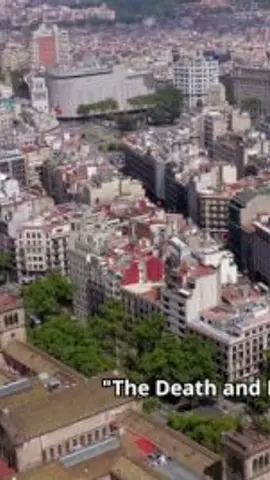
Collective memory in urban planning is the set of shared recollections, symbols and stories that a society attaches to its streets, squares and buildings, and that every planning intervention preserves, erases or reinvents. The architect and theorist M. Christine Boyer, a professor at Princeton University, devoted her most influential book to that question, The City of Collective Memory: Its Historical Imagery and Architectural Entertainments (1994). Her thesis is twofold: the city has always been a device of memory, and contemporary planning, by turning the past into a stage set for consumption, is replacing living memory with its imitation.
From Halbwachs to Boyer: the city as the framework of memory
Boyer takes the concept of collective memory from the sociologist Maurice Halbwachs, for whom recollections are stored not in the individual mind but in social frameworks, and the most solid of those frameworks is space. We remember because places endure: the childhood home, the corner where we met, the monument in the square. Boyer traces three historical models of the city as memory. The city as a work of art in the nineteenth century, with monuments and vistas that taught citizens what to remember. The city as a panorama of modernity, with its world fairs and total views. And the city as spectacle of the present, made of recomposed historical fragments.
The critique of historical architectural entertainment
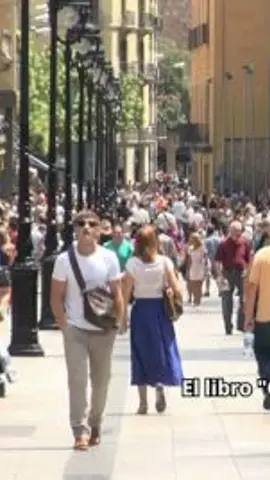
Her critique targets this last model. Since the 1970s, Boyer says, heritage conservation and urban regeneration have learned to manufacture historical scenery: rehabilitated waterfronts such as South Street Seaport in New York or Faneuil Hall in Boston, districts of restored façades with chain stores behind them, squares that mimic the old street pattern to sell luxury housing. This architecture of entertainment selects the fragments of the past that are pleasant, removes the conflict, labour and poverty that produced them, and offers them as an image for tourists and buyers. Memory becomes a commodity and the city a museum of itself.
Memory as image and heritage gentrification
The consequences for planning are concrete. When memory is managed as image, those who decide what is preserved are developers and marketing departments, not the communities that inhabit the places. The renewal of a historic district can keep every façade and expel all the residents, so that the place keeps its look and loses its memory. Boyer warns that this process, which we now call heritage gentrification, is not a side effect but the objective of an urbanism that uses history as real estate added value.
Planning with memory as fabric, not façade
Against memory as spectacle, Boyer defends a planning that treats memory as fabric rather than façade. That means documenting and protecting the uses, trades and stories of a place as much as its walls; acknowledging uncomfortable memories, those of industry, migration, conflict or repression, that the tourist image erases; and involving residents in deciding what is remembered and how. Her work converses with Dolores Hayden's on the power of place and Aldo Rossi's on the city as built memory, and anticipates today's debate on monuments, dissonant heritage and the right to urban memory.
The City of Collective Memory remains a reference because it described before anyone else a phenomenon that is now global: historic centres turned into theme parks, century-old markets converted into food courts, working-class neighbourhoods sold as authentic once no worker is left. Boyer does not propose freezing the city but remembering it truly, with its conflicts and its inhabitants, and making that memory a planning criterion rather than a sales pitch.
Frequently asked questions
What does Christine Boyer argue in The City of Collective Memory?
That the city has always been a device of collective memory and that contemporary planning, by turning the past into scenery for tourism and consumption, replaces the living memory of places with its imitation.
What is collective memory applied to the city?
It is the set of recollections, symbols and stories that a society attaches to its streets, squares and buildings; according to Halbwachs, memories rest on social frameworks and urban space is the most solid of those frameworks.