Key points
- David Simon emphasizes the need for innovative urban planning in Global South cities to address climate change challenges.
- Inclusive and participatory planning is essential to ensure equitable and sustainable urban development.
- Simon critiques traditional urban planning models, advocating for context-specific approaches that integrate social and technological solutions.
David Simon, a British scholar, has been a leading figure in the study of urbanism in the Global South, with a particular focus on adapting to and mitigating the effects of climate change in cities. Throughout his career, Simon has examined how cities—especially in developing countries—confront the challenges posed by climate change, and how urban planning can play a crucial role in creating more resilient and sustainable environments. His work has been essential for understanding the complex interactions between urbanism, climate vulnerability, and sustainable development in the Global South. One of Simon’s main contributions is his analysis of the adaptive capacity of cities in the Global South in the face of climate impacts.
David Simon's Focus on Climate Adaptation in Global South Cities
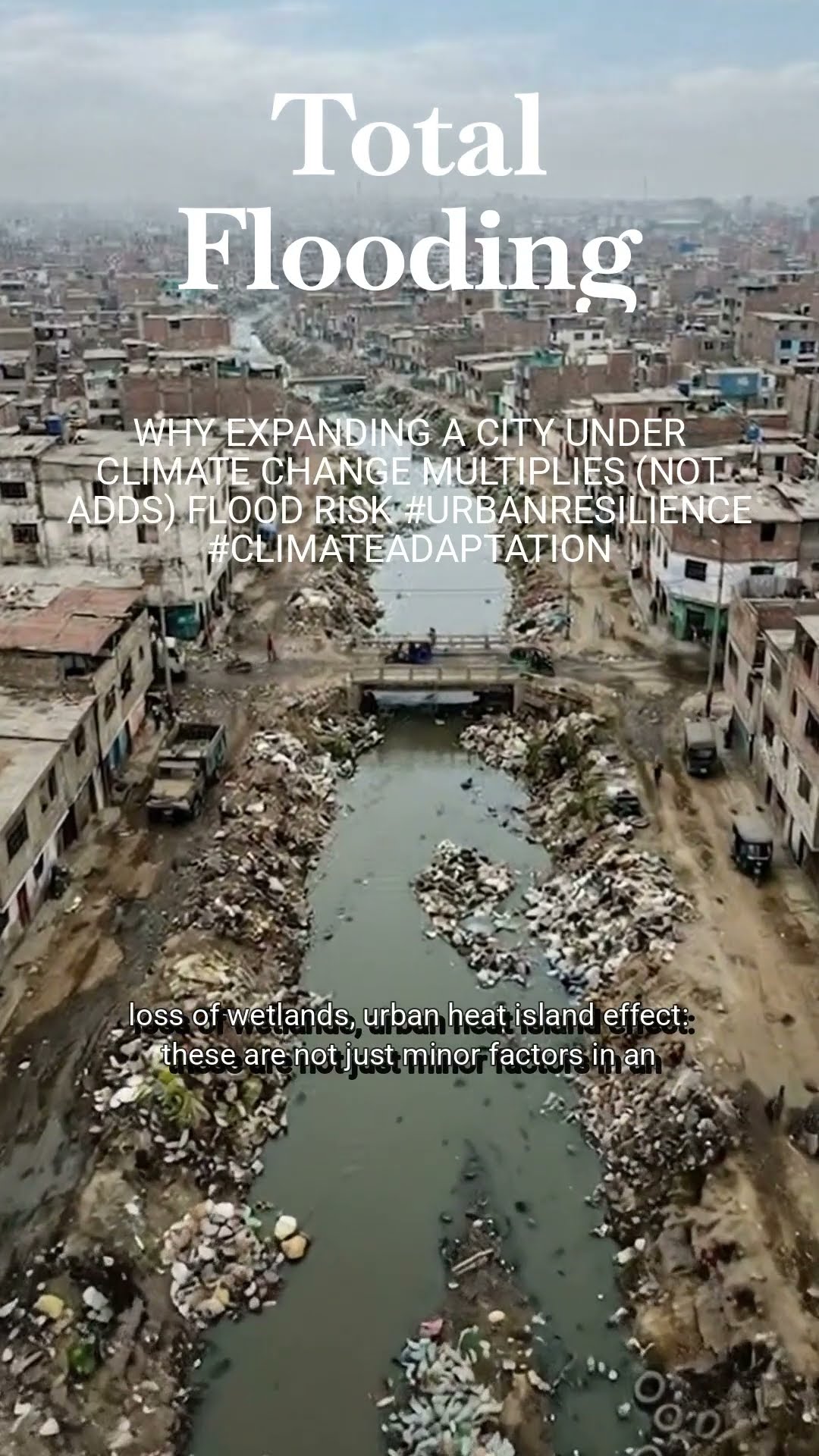
Unlike many cities in the Global North, which generally have greater resources and stronger infrastructure, many cities in the Global South face significant challenges due to economic vulnerability and rapid, often unplanned growth. David Simon has emphasized that these cities, often poorly equipped to deal with natural disasters such as floods or droughts, require innovative urban planning approaches that integrate climate adaptation strategies to protect residents and infrastructure. Simon has also addressed the concept of urban sustainability in his research, arguing that cities must not only adapt to climate change but also mitigate its long-term effects. According to Simon, this requires adopting policies and technologies that reduce greenhouse gas emissions, improve energy efficiency, and promote more sustainable use of natural resources.
Inclusive Urban Planning for Equitable Climate Solutions
He has also stressed the need to encourage more equitable urban practices, ensuring that the benefits of sustainable development reach all sectors of society—especially the most vulnerable, who are often the most affected by climate change. In his research on urbanism in the Global South, Simon has highlighted the importance of inclusive and participatory urban planning. In his view, solutions to climate challenges cannot simply be imposed from above, but must be designed in collaboration with local communities. By involving citizens in decision-making, planners can create solutions that are not only technically and environmentally sustainable, but also socially equitable and culturally appropriate.
This participatory approach, according to Simon, is key to building more resilient cities capable of facing the challenges of the twenty-first century. An important aspect of Simon’s work is his critique of traditional urban planning approaches, which often ignore the specific realities of cities in the Global South. Simon argues that many urban development policies applied in these cities are based on Global North models that are not always suitable for contexts characterized by informal economies and more complex social structures. Instead, he proposes an approach that takes local specificities into account and seeks to integrate both technological and social solutions to address sustainability and climate change challenges.
In summary, David Simon has offered a critical and constructive vision of how cities in the Global South can adapt to and mitigate the effects of climate change. Through his work, he has emphasized the importance of inclusive urban planning, environmental sustainability, and social justice in the creation of more resilient cities. His studies have been fundamental in showing that, in a world increasingly affected by climate change, urban solutions must be adaptive, contextual, and just—ensuring that all people, especially the most vulnerable, have access to a more sustainable urban future.
Frequently asked questions
How can cities in the Global South adapt to climate change?
Cities in the Global South can adapt to climate change through innovative urban planning that integrates climate adaptation strategies and inclusive decision-making processes.
Why is participatory planning important for sustainable cities?
Participatory planning ensures that solutions are socially equitable, culturally appropriate, and designed in collaboration with local communities.