Key points
- Cities are key actors in climate action due to their concentration of population and economic activity.
- Urban climate governance requires cooperation between local, national, and international actors to develop sustainable policies.
- Climate justice is essential to ensure equitable distribution of benefits from climate action and address vulnerabilities.
Harriet Bulkeley, a prominent UK academic, has focused her work on the study of **urban climate governance**, exploring the crucial role that cities play in the fight against climate change. Throughout her career, Bulkeley has demonstrated that cities are not only significant sources of greenhouse gas emissions, but also key actors in implementing innovative and sustainable solutions to mitigate these effects. Her approach is based on the idea that, due to the concentration of population and economic activity in urban areas, cities have both the capacity and the responsibility to lead climate action at the global level. One of Bulkeley’s main contributions is her analysis of how cities can organize themselves to address the challenges of climate change through effective governance.
Urban Climate Governance and Its Importance
According to Bulkeley, **urban climate governance** involves the coordination of multiple actors, from local governments to the private sector and civil society organizations, in order to develop policies and practices that promote sustainability. This approach highlights the importance of cooperation between different levels of government, since cities cannot act in isolation. Bulkeley emphasizes that local action is essential, but it must be supported by national and international policies that provide the necessary resources and legal frameworks. Another important aspect of Bulkeley’s work is her focus on **innovation as a key tool for urban sustainability**.
According to her analysis, cities are laboratories for innovation where new technologies and strategies can be developed and tested to reduce carbon emissions and increase energy efficiency. Bulkeley has studied numerous cases in which cities have implemented innovative measures, such as the use of renewable energy, the promotion of public transportation, and the development of green buildings. These initiatives not only help reduce the environmental impact of cities, but also improve the quality of life of their residents. Bulkeley has also pointed out that urban climate governance is not only about mitigating climate change, but also about **adapting to its effects**.
Climate Adaptation and Justice in Cities
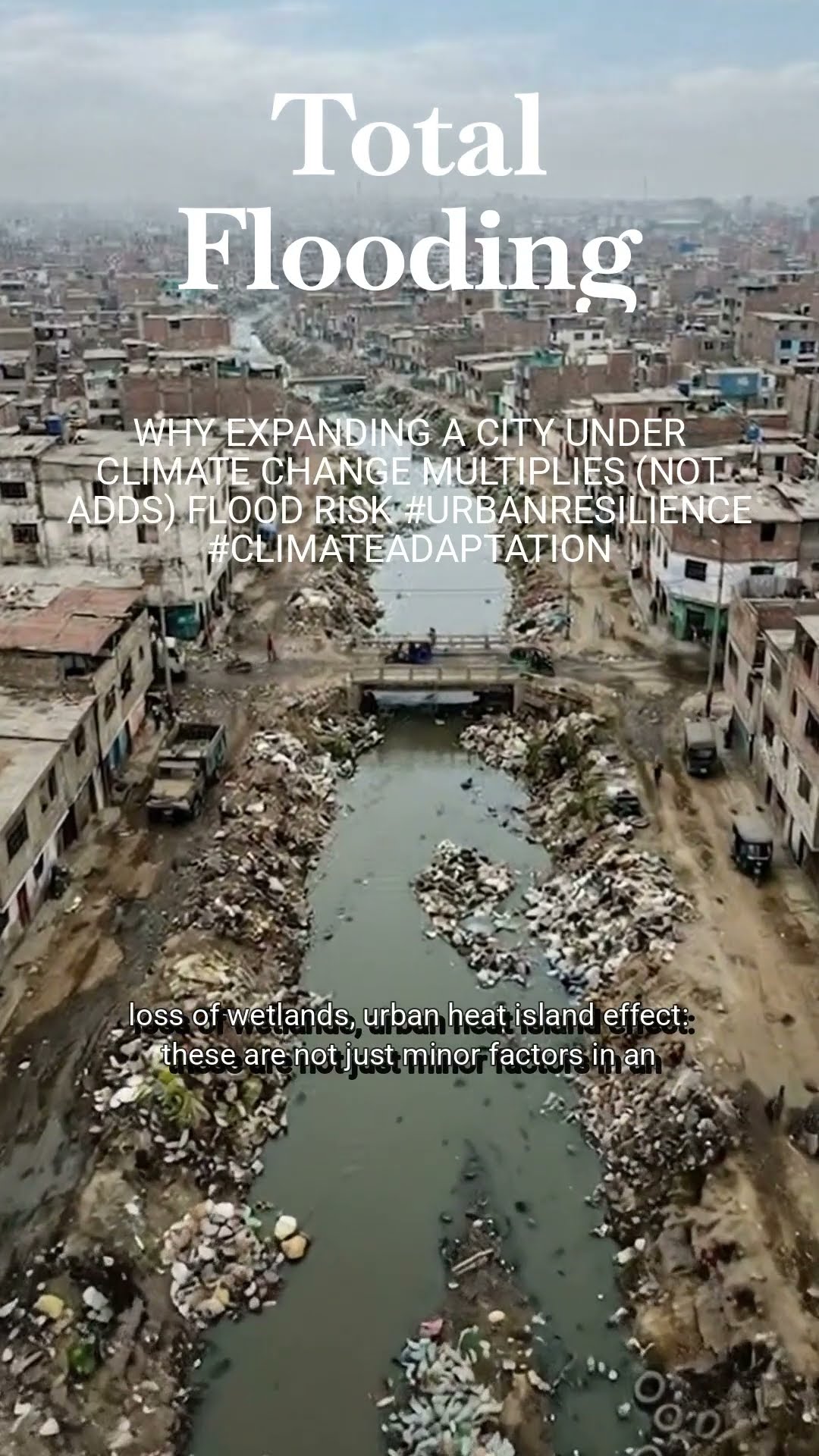
Many cities are already experiencing the impacts of global warming, including rising temperatures, flooding, and water scarcity. In this context, cities must develop adaptation strategies that allow them to respond to these challenges. This includes resilient urban planning that integrates nature-based solutions, such as the creation of green spaces and improvements to infrastructure for flood management. Another key aspect of Bulkeley’s work is her emphasis on **climate justice**.
She highlights that cities must take social and economic inequalities into account when implementing climate policies. The most vulnerable populations are often the most affected by the impacts of climate change, while at the same time having the fewest resources available to adapt. For this reason, Bulkeley insists that cities must ensure that their policies are inclusive, so that the benefits of climate action are distributed equitably and do not perpetuate existing inequalities. In summary, Harriet Bulkeley has highlighted the importance of cities in the fight against climate change, demonstrating that they can be key actors in promoting sustainability and climate justice.
Her work on urban climate governance provides a framework for cities to become engines of innovation and resilience in the face of global challenges. By combining innovative policies with an inclusive approach, cities have the capacity to lead transformative change toward a more sustainable and equitable future.