Key points
- Urban resilience involves both physical reconstruction and social recovery, emphasizing the importance of community and equity.
- Disasters can catalyze modernization and changes in urban design, offering opportunities for cities to redefine themselves.
- Successful recovery requires inclusive planning, equitable resource distribution, and long-term strategies that involve all sectors of society.
The Resilient City: How Modern Cities Recover from Disaster (2005), by Lawrence Vale and Thomas Campanella, is a comprehensive study of how cities around the world have confronted and overcome the effects of natural disasters and conflicts throughout history. The authors explore the concept of urban resilience, defining it as a city’s ability to recover, rebuild, and adapt after experiencing devastation. The book examines various historical and contemporary cases, offering profound insight into the factors that contribute to urban recovery and the role that political, social, and economic decisions play in this process. Vale and Campanella begin by examining historical examples of disasters that profoundly affected iconic cities, including the Great Fire of London in 1666 and the San Francisco earthquake of 1906.
Understanding Urban Resilience
In these cases, they demonstrate how urban reconstruction focused not only on restoring physical infrastructure but also on reinforcing cultural identity and social cohesion. A city’s ability to rebuild depends as much on its infrastructure as it does on the collective determination of its residents and leaders. These cases illustrate how disasters can serve as catalysts for modernization and changes in urban design. A key aspect of the book is the distinction the authors draw between physical reconstruction and social resilience.
Although cities may rebuild their infrastructure quickly, genuine resilience requires restoring the social and economic networks that sustain urban life. Vale and Campanella emphasize that decisions concerning what and how to rebuild, who has access to resources, and which communities are prioritized are just as important as the material reconstruction itself. These decisions determine not only the speed of recovery but also its equity and long-term sustainability. Another important point developed by the authors is how disasters can be used as opportunities to redefine and improve cities.
Rebuilding with Inclusivity and Innovation
Following a catastrophe, cities can choose to rebuild in a more inclusive and resilient manner. For example, after the destruction caused by the Second World War, cities such as Berlin and Tokyo not only restored their infrastructure but also used the opportunity to redesign and modernize key areas. These reconstruction processes do more than repair damage; they also create opportunities for new ideas and forms of urban organization. However, Vale and Campanella also note that not all cities have been equally successful in rebuilding.
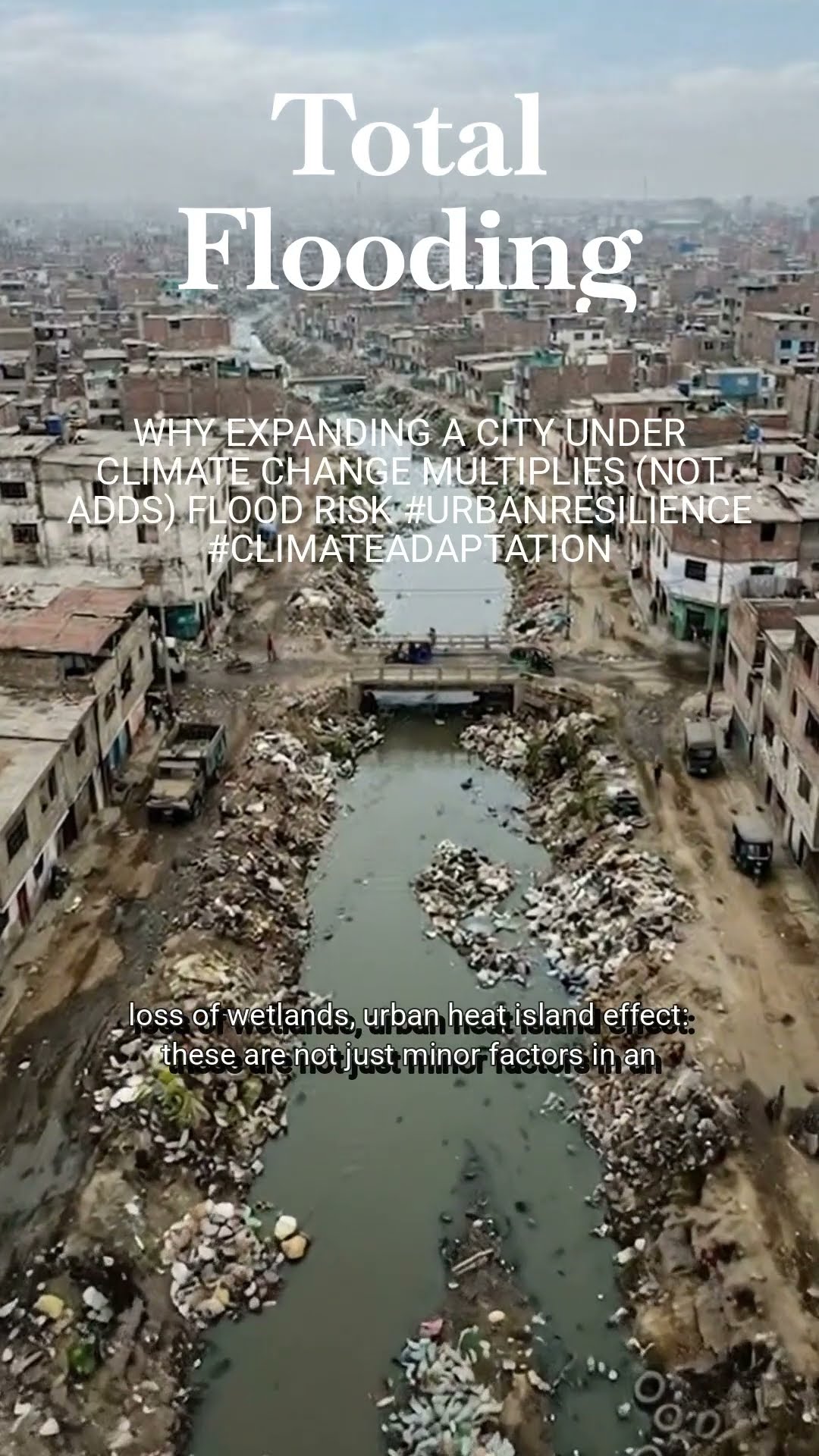
In many cases, corruption, inadequate planning, or the exclusion of certain social groups has led to an unequal recovery in which the most vulnerable communities do not benefit from reconstruction efforts. This phenomenon is especially evident in cities facing recurring disasters, such as floods or earthquakes, where investments in infrastructure and housing are not always distributed equitably among different communities. In conclusion, The Resilient City offers a profound examination of how cities can recover from disasters and conflicts, emphasizing the importance of both physical planning and social reconstruction. For Vale and Campanella, urban resilience is not simply about restoring buildings but also about rebuilding communities and ensuring that cities can adapt to future changes.
The book emphasizes that resilience is not an automatic process but one that must be carefully planned and managed through a long-term vision that includes every sector of society.