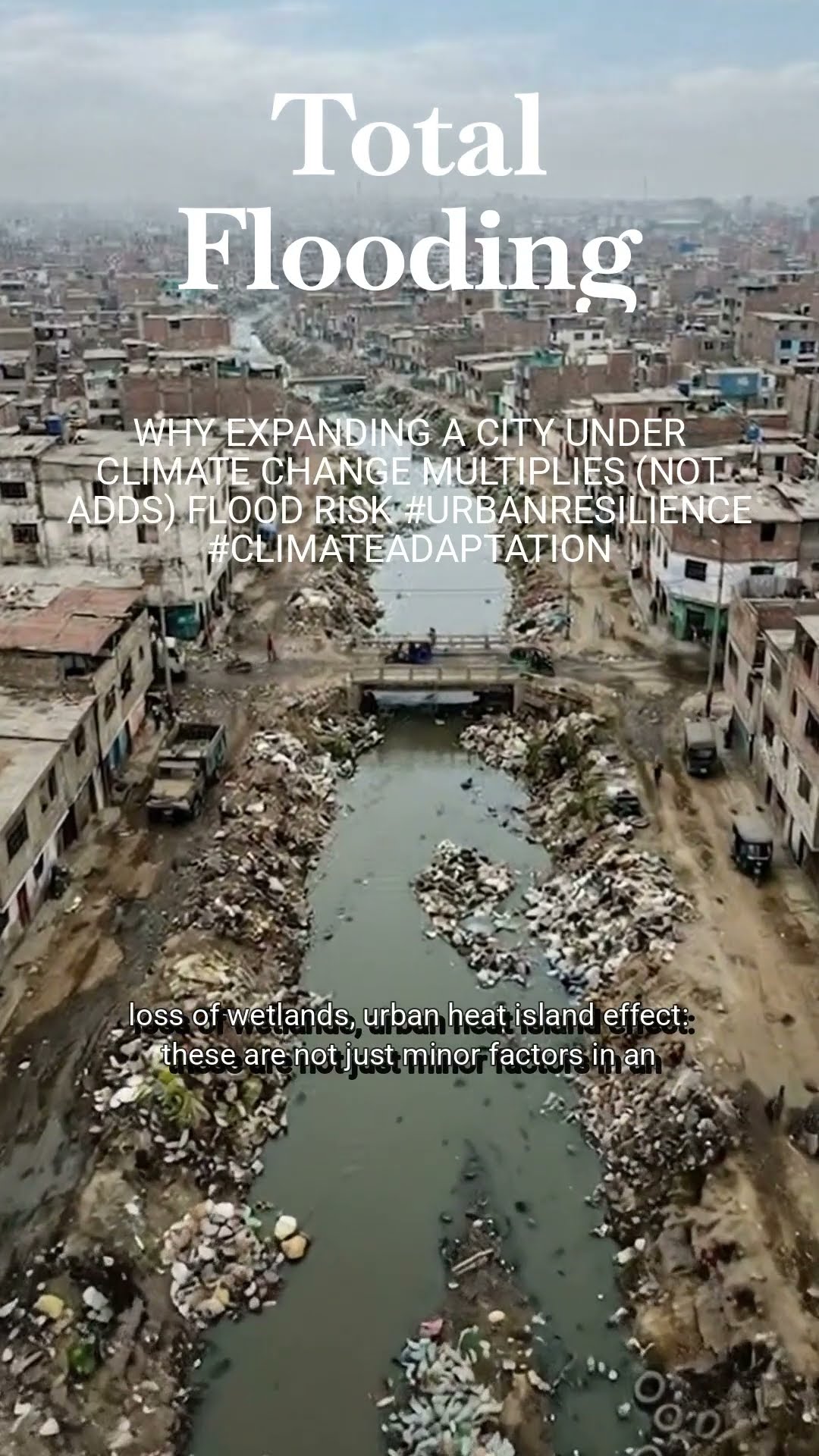
Urban resilience and adaptive capacity have become critical issues in a world increasingly affected by crises such as climate change, pandemics, and natural disasters. 🌍⚠️ These crises often impact vulnerable communities disproportionately, as they frequently lack the resources needed to adapt or recover quickly. In this context, scholars such as Timothy Beatley and Judith Rodin have played an important role in explaining how cities can build resilience and develop strategies to address emerging challenges in a more equitable way. Timothy Beatley emphasizes the importance of sustainable and climate-resilient cities.
His work argues that urban planning must reduce environmental impacts while strengthening cities’ capacity to withstand extreme climate events. Beatley highlights the need to combine mitigation and adaptation strategies. Cities such as Copenhagen and Amsterdam, for example, have implemented green infrastructure and nature-based solutions to manage flooding and rising sea levels, demonstrating that sustainability and resilience can be integrated through proactive urban design. 🌿🌊 Judith Rodin, in The Resilience Dividend, expands the concept of resilience beyond recovery from disasters.
She argues that resilience also represents an opportunity for transformation and long-term improvement. According to Rodin, resilient cities are those that anticipate shocks, prepare for them, and adapt to new conditions after crises occur. This approach involves creating flexible systems capable of absorbing shocks while reducing inequalities so that vulnerable communities also benefit from resilience strategies. 🔄🏙️ Effective resilience strategies must therefore consider both ecological and social dimensions.
Research on climate planning in several regions shows that community participation is essential, especially among populations most affected by poverty and marginalization. Resilience policies should not focus solely on infrastructure; they must also empower local communities, enabling them to participate actively in decisions that shape their environment and livelihoods. 🤝🌱 However, implementing urban resilience policies is not without challenges. Limited financial resources, governance problems, and unequal access to infrastructure often mean that resilience investments benefit wealthier urban areas more than marginalized ones.
To address this, Rodin and other researchers stress the importance of integrating social justice into resilience strategies, ensuring that policies reduce inequality and distribute their benefits more fairly. In conclusion, urban resilience and adaptation are essential for confronting present and future challenges—from climate change to public health crises. The perspectives of Timothy Beatley and Judith Rodin highlight the need for inclusive and equitable planning approaches that not only protect cities but also strengthen their most vulnerable communities. Building resilient cities ultimately requires integrating sustainability, governance, and social equity into long-term urban development strategies.
🌆🌱