Global urbanization and sustainability have become central topics in contemporary urban studies, particularly due to the close relationship between rapid urban growth and climate change. 🌍🏙️ Cities concentrate a large share of the world’s population and economic activity while also generating more than 70% of global greenhouse gas (GHG) emissions. At the same time, they represent key spaces for implementing innovative solutions to reduce environmental impacts and adapt urban environments to changing climatic conditions. Rapid urbanization—especially in large metropolitan areas—has intensified sustainability challenges.
Uncontrolled urban growth places significant pressure on natural resources, land use, and urban infrastructure, leading to higher carbon emissions, deteriorating air quality, and sprawling urban expansion. These dynamics increase cities’ vulnerability to extreme climate events and complicate the sustainable management of urban territories. In response, many cities are adopting sustainable urban development strategies that integrate both climate mitigation and adaptation measures. Mitigation aims to reduce greenhouse gas emissions through policies such as improving energy efficiency, promoting public transportation, and reducing dependence on fossil fuels.
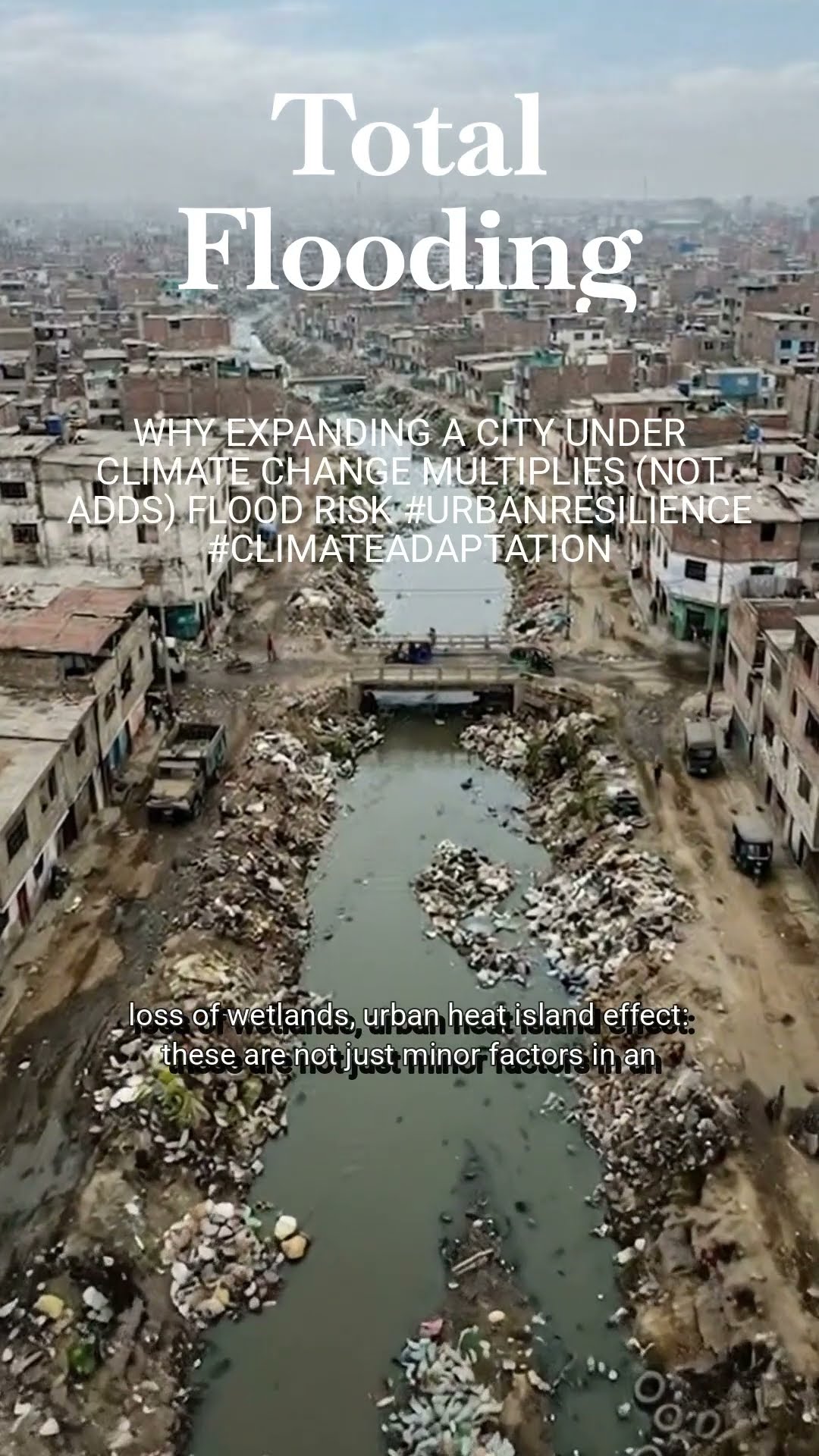
Adaptation, on the other hand, involves preparing cities to cope with unavoidable climate impacts, including rising sea levels, flooding, and heat waves. One important strategy in this context is the implementation of green infrastructure, which includes urban parks, ecological corridors, green roofs, and nature-based drainage systems. 🌿 These solutions contribute to both mitigation and adaptation: they help absorb CO₂, reduce the urban heat island effect, and improve stormwater management, lowering the risk of flooding. Several cities have embraced this approach; for example, London, Rotterdam, and Toronto have developed urban policies that incorporate green networks to strengthen climate resilience.
Another key component is sustainable mobility. 🚲🚉 Urban transport is one of the main sources of emissions in cities, which is why many urban areas are promoting electric vehicles, stronger public transportation systems, and infrastructure for pedestrians and cyclists. These measures not only reduce emissions but also decrease traffic congestion and improve air quality and public health. Land-use planning also plays a decisive role.
Strategies that promote urban densification and compact development can reduce urban sprawl and the emissions associated with transportation and construction. However, these policies must be implemented carefully to avoid negative effects such as gentrification or the displacement of vulnerable communities. For this reason, sustainable urban development must incorporate principles of social inclusion and territorial equity. In recent years, there has been growing interest in approaches that integrate mitigation and adaptation policies.
Traditionally, these strategies were addressed separately, which often produced inefficiencies or contradictions. Today, many cities are adopting more holistic frameworks, where measures such as green infrastructure, sustainable mobility, and compact urban planning simultaneously reduce emissions and enhance urban resilience. In summary, global urbanization presents significant challenges for sustainability, but it also offers opportunities to transform cities into more resilient and innovative environments. Urban policies that integrate territorial planning, sustainable mobility, green infrastructure, and social equity can help reduce carbon emissions while strengthening cities’ capacity to adapt to the impacts of climate change.
🌱🏙️