Key points
- A flat let by the night yields two or three times more than by the month: supply shrinks and rents rise for everyone.
- Neighbourhoods specialise in serving the tourist: souvenir shops and luggage lockers replace the pharmacy and the school.
- New York's 2023 host-presence rule cut whole-home listings by more than 80 %; Barcelona will renew no licences from 2028.
The impact of Airbnb on neighbourhoods is the set of effects that short-term tourist rental produces on housing, retail and everyday coexistence wherever it concentrates. The platform was born in 2008 as a way of renting out a spare room, but in fifteen years it has become a professional market of millions of whole homes withdrawn from residential rental. Academic studies and municipal statistics agree on three consequences: rents rise, local retail changes and daily life deteriorates for those who still live in the area. Understanding how it happens is the first step toward regulating it.
How Airbnb raises rents and pushes out residents
The housing mechanism is simple. A flat let by the night to tourists yields two or three times more than one let by the month to residents, so the owners who can switch its use, and the supply of residential rental shrinks. With fewer flats available, prices rise for everyone. The study by Barron, Kung and Proserpio on American cities estimated that each 1 % increase in Airbnb listings raises rents by about 0.02 %, an effect that accumulates in the most touristic neighbourhoods. Wachsmuth and Weisler showed in 2018 that the platform opens a rent gap that draws investors into historic centres and accelerates gentrification.
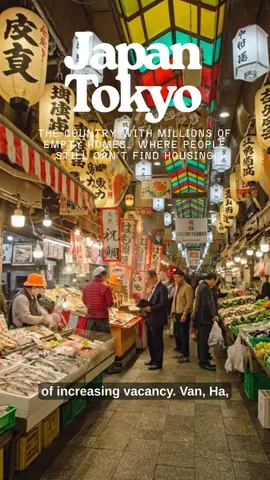
From the corner shop to the luggage locker
The second effect is the transformation of retail and services. When a high share of the homes on a street is occupied by visitors who rotate every few days, the corner shop, the pharmacy or the school lose their stable clientele and are replaced by souvenir shops, brunch cafés and luggage lockers. The neighbourhood specialises in serving the tourist and stops working for the resident. Cities such as Venice, Lisbon or central Barcelona have lost population in their historic centres while multiplying tourist beds, and their residents speak of feeling foreign on their own street.
Broken coexistence and neighbourhood networks
The third effect is the hardest to measure and the most felt: coexistence. Wheeled suitcases at three in the morning, parties in flats without permanent neighbours, entrances with electronic locks and staircases where nobody knows anybody erode the support networks that make a building habitable. Owners' associations split between those who profit from tourist rental and those who suffer it. And the displacement of families and young people breaks the continuity of schools, associations and shops that sustained the identity of the place.
What cities are doing to regulate tourist rental
Cities have responded with ever stricter regulation. Amsterdam limits whole-home rental to 30 nights a year and Paris to 120. New York has required since 2023 that the host be present during the stay, which cut whole-home listings by more than 80 %. Berlin bans tourist use without a licence and Barcelona announced in 2024 that it will renew none of its 10,000 licences from 2028. The European Union approved in 2024 a regulation obliging platforms to share data with authorities, an essential condition for enforcing any rule.
Airbnb is not the only cause of the housing crisis, but it is one of those that can be corrected fastest, because it depends on local decisions about licences, registration, night limits and inspection. The cities that have acted show that it is possible to keep tourist accommodation in dedicated buildings and return homes to those who need them to live. The underlying question is which use of the city has priority: that of the visitor passing three nights or that of the neighbour who raises children, works and grows old in it.
Frequently asked questions
How does Airbnb raise rents?
Because letting by the night to tourists yields two or three times more than letting by the month, owners switch use and the residential supply shrinks, raising prices for everyone; Barron, Kung and Proserpio estimated that each 1 % increase in listings raises rents by about 0.02 %, an effect that accumulates in touristic neighbourhoods.
What are cities doing to regulate Airbnb?
Amsterdam limits whole-home rental to 30 nights a year and Paris to 120, New York requires the host to be present, Berlin bans tourist use without a licence, Barcelona will let all its licences expire from 2028, and the European Union obliges platforms to share data with authorities.