Key points
- Urban inequality shows up as social exclusion and an unfair share of resources and services.
- Gentrification raises the value of neighbourhoods and displaces those who lived there.
- Urban poverty is a lack of access to quality education, health, transport and housing.
Urban inequality is the unjust distribution of what the city offers — housing, jobs, transport, greenery, services — among its neighbourhoods and inhabitants, and social justice is the criterion for correcting it. They are central concerns of contemporary urban studies: as cities grow they face the exclusion and marginalisation of certain groups, and those dynamics create inequalities in the distribution of resources, services and opportunities that fall hardest on vulnerable communities. This piece covers them on four fronts: gentrification, urban poverty, access to public space and just development planning.
Gentrification
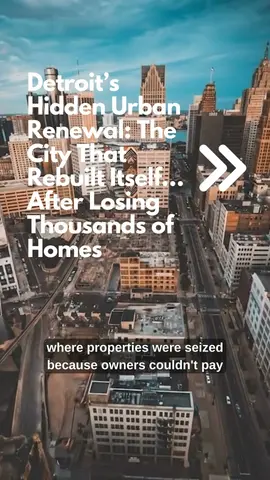
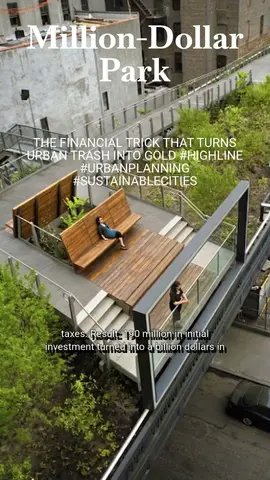
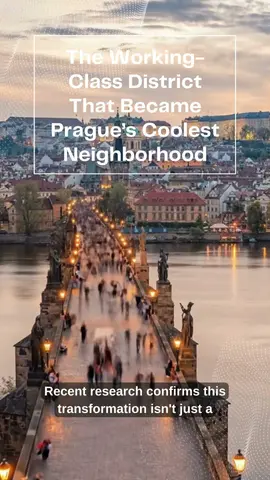
Gentrification is the most studied phenomenon. It transforms neighbourhoods as investment raises property values and attracts higher-income residents. Revitalisation can be positive; the problem arises when low-income communities are displaced and lose access to the new services and opportunities, so that inequality deepens. It happens too with so-called green gentrification: when a sustainable project or a new park raises the value of an area, it can become a space of privilege that pushes out those who lived there before there were trees.
Urban poverty
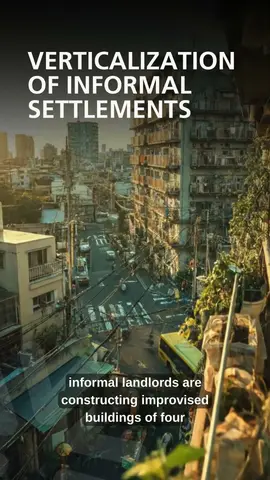
Urban poverty is the second front. Many marginalised communities lack adequate access to education, health, transport and quality housing, and those deficits do not only limit their chances of advancement: they perpetuate cycles of poverty that pass from parents to children. Equity-oriented urban policies seek to correct those inequalities by investing in infrastructure that improves living conditions in those neighbourhoods — transport, schools, health centres — and by opening economic opportunity where there was none.
Equitable access to public space
Equitable access to public space is the third. Green space brings physical and mental health benefits, and it is not evenly shared: low-income communities and ethnic minorities have less access to parks and recreation areas than wealthy districts. That lack does not only deprive those communities of the benefits of public space but reinforces existing inequality, because the park is also where neighbours meet, where people exercise and where they survive the heatwave.
Just development planning
The fourth front is the answer: just development planning. It seeks to bring vulnerable communities into planning processes and to ensure that the benefits of growth are shared fairly, with tools such as mandatory affordable housing in new developments, protection against displacement and priority investment in the neighbourhoods that have least. It requires the active participation of communities in decisions and a real commitment to social justice in the plan, not only in the speech.
Urban inequality and social justice remain crucial questions of city development. Gentrification, poverty and unequal access to services and public space are permanent challenges, and urban policy must be aimed at correcting them so that development benefits everyone and not only a privileged minority. Measuring it is easy: look at who lives ten minutes from a park and who lives forty from the hospital.
Frequently asked questions
What is urban inequality?
The unjust distribution of what the city offers — housing, jobs, transport, greenery, services — among neighbourhoods and residents. It shows up as gentrification, concentrated poverty and unequal access to public space, and it is visible on the map before it appears in statistics.
What is just development planning?
A planning approach that brings vulnerable communities into decisions and judges every project by its effect on them: affordable housing in new developments, services and green space where they are missing, and protection against displacement.