Setha Low
1948
American anthropologist who studies public space from the inside: who uses it, who feels out of place and why.
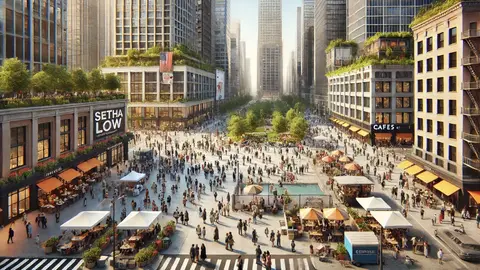
Low applied ethnographic fieldwork to plazas and parks, and showed that a space can be legally open and closed in practice. Surveillance, the design of the furniture, opening hours or simply who is already there determine who dares to stay.
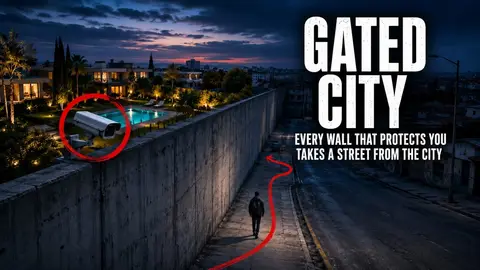
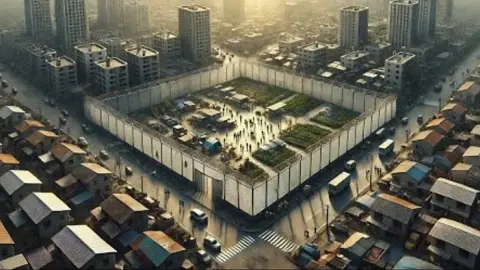
Her study of gated communities in the United States and Latin America is the reverse side: it explains why families who say they are seeking security end up describing more fear inside the wall than outside, and how that individual choice fragments the city for everyone else.
An American anthropologist, professor at the Graduate Center of the City University of New York, where she directs the Public Space Research Group, Low has spent forty years observing plazas, parks and gated developments with the methods of ethnography. On the Plaza (2000) followed two plazas in San José, Costa Rica, for years and showed how the social life of a public space depends on who uses it at each hour and what memory it carries; Behind the Gates (2003) interviewed residents of gated communities in New York, Texas and Mexico and found a fear the walls did not calm.
Rethinking Urban Parks (2005, with Dana Taplin and Suzanne Scheld) set out six principles for culturally inclusive parks, Spatializing Culture (2017) systematised her method, and Why Public Space Matters (2023) sums up the argument of her whole work: public space is an infrastructure of democracy that privatisation, surveillance and exclusionary design are eroding. Her work with the National Park Service and with city governments has brought ethnography into park management.
Videos on Setha Low (2)
- Public space
Setha Low: Spatial Justice and the Right to Public Space
Setha Low studies what makes a public space just or exclusionary. Her ethnographies of plazas, parks and gated…
Setha Low 3 min read - Public space
Setha Low and Don Mitchell: The Politics of Public Space
The politics of public space decides who may be in the plaza. What Setha Low shows in On the Plaza and Don Mitchell…
Setha Low 3 min read

Where Setha Low is cited (3)
- Public space
Security Through Walls: Protection or Segregation?
Gated communities privatise surveillance and empty the street. What Caldeira, Low and Sabatini show about fortified…
3 min read - Public space
Urban Territoriality: Inclusion and Exclusion (Low and Delaney)
Urban territoriality explains how groups and institutions mark and control city space. What Setha Low and David…
3 min read - Public space
Inclusive Public Space: Sennett and Low on Participatory Cities
Inclusive public space is the infrastructure of urban democracy. What Richard Sennett and Setha Low explain, two…
3 min read