Key points
- Poor neighbourhoods lack green because of disinvestment; the improvement opens the rent gap that displaces them.
- The High Line, Gowanus and Barcelona's superblocks show the pattern where housing markets are tight and tenant protection weak.
- Small-scale green, housing protection and community-led design deliver benefits without displacement.
Green gentrification is the process by which an environmental improvement, a new park, a restored river, a tree-lined corridor, a cleaned-up brownfield, raises property values in a working-class neighbourhood and ends up displacing the residents who demanded it. It is the uncomfortable paradox of the sustainable city: the green that was meant to protect people pushes them out. Three lines of research have documented it. Jennifer Wolch and her colleagues named the urban green paradox in 2014; Kenneth Gould and Tamara Lewis measured it in Brooklyn in Green Gentrification (2017); and Isabelle Anguelovski's Barcelona Lab for Urban Environmental Justice has tracked it across dozens of cities in Europe and North America.
How the improvement opens the rent gap
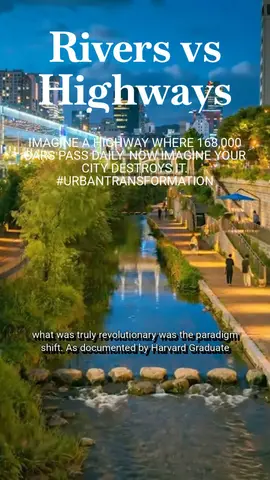
The mechanism follows the logic of any gentrification, with a twist. Neighbourhoods that lack parks and trees are usually the poorest, because decades of disinvestment left them with the motorway, the depot and the polluted lot. When a city finally invests there, the improvement is real and the rent gap opens: land that yielded little now sits beside an amenity that buyers value highly. Developers and higher-income households arrive, rents rise, long-standing shops close and the residents who organised for the park find they can no longer afford to live beside it. The twist is that the improvement is genuinely good, which makes it hard to oppose and easy to market.
High Line, Gowanus, superblocks: the documented cases
The cases are well known. New York's High Line, opened in 2009 on an abandoned elevated railway, became one of the most visited parks in the world and multiplied prices in Chelsea and the Meatpacking District, displacing auto shops, galleries and low-income tenants. Brooklyn Bridge Park and the cleaned-up Gowanus Canal produced, in Gould and Lewis's study, rapid demographic change and the arrival of luxury towers. In Europe, Anguelovski's team has documented the same pattern around Barcelona's superblocks and new parks, Copenhagen's climate-adapted neighbourhoods and Nantes's green corridors, with the strongest effects where housing markets were already tight and tenant protection weak.
Just green enough: what does not displace
The research also shows what does not produce displacement. Small, neighbourhood-scale improvements, street trees, pocket parks, community gardens, deliver health and cooling benefits without creating a regional attraction that draws capital. Improvements accompanied by housing protection, rent regulation, public or cooperative housing nearby, community land trusts, keep residents in place. And improvements decided with the community, rather than delivered by a flagship project, tend to be sized and designed for local use. Wolch's just green enough strategy sums it up: green for the people who are there, not for the people the green will attract.
Anti-displacement plans and equity criteria
Policy responses have begun to catch up. Some cities now pair every major park or corridor with an anti-displacement plan: Barcelona has expanded public housing around its superblocks, Portland attached affordable housing requirements to its green infrastructure investments, and several American cities condition park funding on tenant protections. Others have adopted equity criteria that prioritise the neighbourhoods with the least green and the most heat, while measuring, years later, who still lives there. The evidence suggests these measures work when they are in place before the improvement, not after prices have already moved.
The lesson of green gentrification is that environmental justice and housing justice cannot be pursued separately. A city that plants trees where they are most needed without protecting the people who need them has solved one injustice by creating another. Wolch, Gould and Lewis, and Anguelovski agree on the test: the success of a green project is measured not by the rise in surrounding property values but by whether the residents who fought for it are still there to enjoy it.
Frequently asked questions
What is green gentrification?
It is the process by which an environmental improvement, a park, a restored river or a green corridor, raises property values in a working-class neighbourhood and displaces the residents who demanded it, because the amenity attracts capital and higher-income households.
How can cities green neighbourhoods without displacing residents?
By favouring small, neighbourhood-scale green over flagship projects, pairing every improvement with rent regulation, public or cooperative housing and land trusts, deciding designs with the community and putting anti-displacement measures in place before prices move.