Key points
- Girardet: the sustainable city moves from a linear metabolism that consumes and discards to a circular one that reuses.
- Beatley proposes integrating nature into urban design; Newman, reducing car dependence with public transport.
- The green economy must be inclusive: green gentrification raises the cost of living and displaces low-income residents.
A sustainable city is one that meets the needs of its inhabitants without exhausting resources or compromising the wellbeing of the generations to come, and the green economy is economic development that rests on that sustainability instead of contradicting it. Both concepts have gained relevance in the twenty-first century as cities try to adapt to climate challenges without giving up growth. Three authors have explored how green policies transform cities, not only in their infrastructure but in their social and economic impact: Herbert Girardet, Timothy Beatley and Peter Newman.
Girardet: from linear to circular metabolism
Herbert Girardet argues in Cities, People, Planet (2004) that cities must change model if they are to prosper in a world of finite resources. They have worked as linear systems: they extract resources, consume them and discard them without regard for the environment. Girardet proposes a circular metabolism in which resources are reused and recycled, waste is reduced and dependence on external resources falls. The change is not needed only for ecological reasons: it also brings economic benefit by cutting costs and creating new green industries.
Beatley: nature in urban design
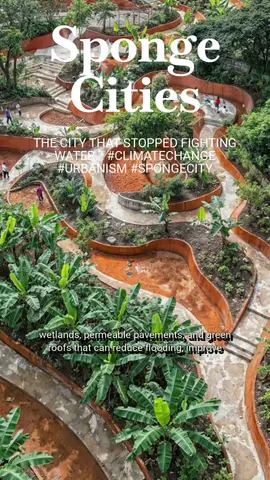
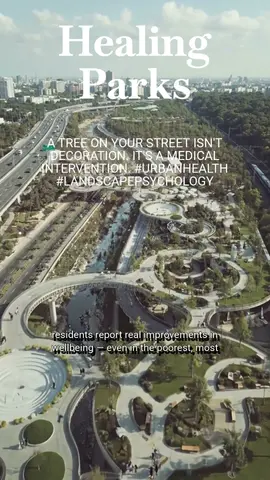
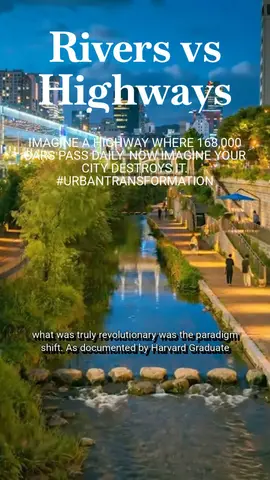
Timothy Beatley goes deeper in Green Urbanism (2000) into how cities can be more sustainable and healthier by integrating nature into their design: nature-based solutions — urban parks, green roofs, ecological corridors — that improve air quality, manage stormwater and mitigate climate change. Green design also improves quality of life by creating more pleasant and healthier environments; for Beatley, green urbanism policies do not only answer environmental challenges but are an opportunity to build more cohesive and equitable communities.
Newman: transport and sustainability
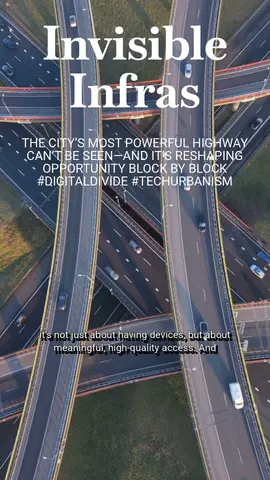
Peter Newman addresses in Sustainability and Cities (1999, with Jeff Kenworthy) the relationship between sustainability and transport. One of the main challenges is transforming transport systems, responsible for a large share of greenhouse gas emissions and of dependence on fossil fuels. Newman proposes efficient public transport, active mobility — walking, cycling — and electric vehicles, and argues that the transition is crucial not only to cut environmental impact but to improve mobility and accessibility for every citizen.
Green economy and equity
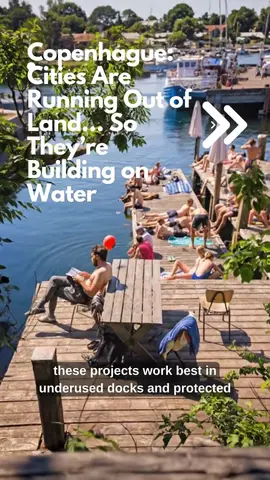
All three agree that sustainability policies do not only fight climate change: they generate economic opportunity. The green economy creates jobs in renewable energy, sustainable construction and waste management, and can drive local economies while protecting urban ecosystems. That vision treats sustainability as an engine of growth rather than a brake, and it is the one adopted by cities such as Copenhagen or Freiburg, which Beatley studied before they became textbook examples.
They also warn that green policies must be inclusive. The benefits of urban sustainability do not share themselves out, and green gentrification — ecological projects that raise the cost of living and displace low-income residents — is one of the risks flagged. Sustainability policies must be designed to promote social justice and equitable access to environmental benefits; integrating nature, transforming transport and promoting the green economy are the three conditions of fairer, more resilient and more prosperous cities.
Frequently asked questions
What is a sustainable city?
One that meets the needs of its inhabitants without exhausting resources or compromising the wellbeing of future generations, with a circular metabolism, nature integrated into design, transport that reduces car use and a green economy that shares its benefits.
What is green gentrification?
The process by which ecological projects, parks, green corridors or sustainable districts, raise the cost of living around them and displace low-income residents, a risk that Girardet, Beatley and Newman ask to prevent with inclusive policies.