Key points
- Urban vegetation lowers temperature through shade and evaporation, consuming no energy at all.
- Wetlands and green areas filter and retain water better than the sewer network alone.
- McHarg proposed starting from a site's natural systems before drawing anything on top.
Green infrastructure is the network of parks, trees, corridors, green roofs and vertical gardens that provides services to the city just as pipes or asphalt do: it regulates temperature, absorbs rain, cleans the air and hosts biodiversity. The word infrastructure is the key: it is not ornament, it is a system. Three authors have explained how to bring it into urban planning to mitigate climate change, reduce pollution and make cities more liveable: Timothy Beatley, Ian McHarg and Herbert Girardet.
Beatley: nature as part of the design
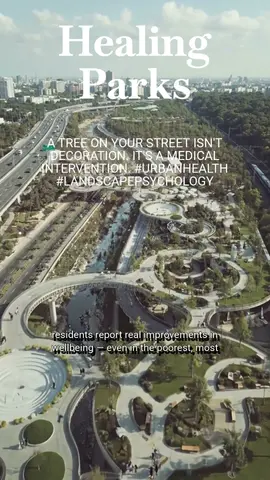
Timothy Beatley argues in Green Urbanism (2000) that green infrastructure is essential to healthier and more sustainable cities, and that nature should not be seen as separate from the city but as an integral part of its design. Parks and community gardens do not only offer recreation: they improve the physical and mental health of those who use them. And green areas help mitigate climate change by absorbing carbon dioxide, lowering urban temperatures and improving air quality. Beatley studied the European cities that were applying this before it became fashionable.
McHarg and Girardet: planning with natural systems
Ian McHarg, a pioneer of ecological planning, proposed in Design with Nature (1969) that natural systems should be the basis of any planning. Rather than building cities that ignore their environment, planners should take advantage of natural processes — the water cycle, biodiversity — to create more resilient environments. Green infrastructure, according to McHarg, serves to manage water resources, reduce flood risk and protect local ecosystems. Urban design should be aligned with nature and maximise its benefits instead of destroying it.
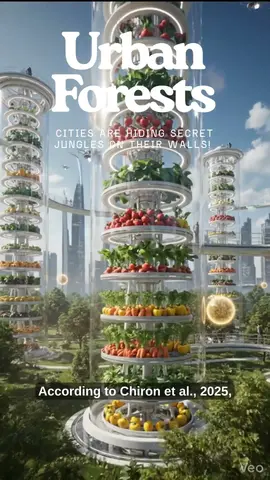
Herbert Girardet, in Cities, People, Planet (2004), calls for turning cities into circular systems where resources are reused and waste is minimised, and green infrastructure is central to that transformation. Green roofs and vertical gardens do not only beautify: they capture rainwater, improve the thermal insulation of buildings and foster biodiversity. For Girardet, the city must evolve towards an ecological model in which greenery is infrastructure, not decoration.
The heat island and shade
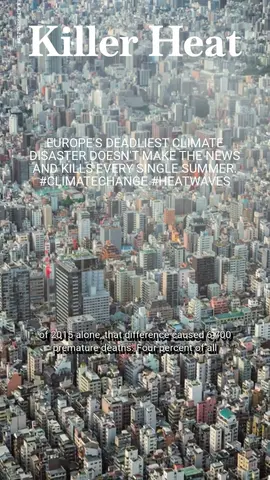
One of the clearest benefits is against the urban heat island, the rise in temperature produced by concrete and asphalt absorbing heat by day and releasing it at night. Beatley, McHarg and Girardet agree that vegetation counters it by giving shade and cooling the air through evaporation. That improves residents' comfort and cuts the energy used for air conditioning in the hottest months, which is when the grid and older people are closest to their limit.
Water before the pipe
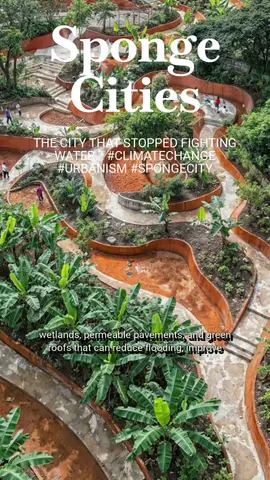
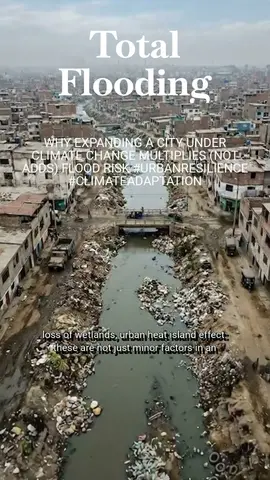
Green infrastructure also has a direct effect on water. McHarg stressed the importance of using natural systems — wetlands, green areas, permeable ground — to manage stormwater and reduce flood risk: they filter and hold water, so the city does not depend solely on the grey infrastructure of sewers and pipes. It is more efficient and more sustainable in the long run, because it costs less to maintain and gives water back its natural cycle.
What these three authors demonstrate is that ecological systems can be integrated into urban design through multifunctional solutions: the same park cools, absorbs rain, cleans the air and offers recreation. Bringing green space and natural elements into the city serves to face today's environmental challenges and to leave more liveable and healthier environments to those who come after.
Frequently asked questions
What is urban green infrastructure?
The integration of ecological systems — parks, green roofs, gardens, wetlands and street trees — into city planning, so they perform functions normally solved with civil engineering: regulating temperature, managing water and supporting biodiversity.
How does green infrastructure counter the heat island?
By providing shade and cooling the air through evaporation. That improves residents' comfort and cuts energy consumption for cooling, with no installations required.