Platform urbanism
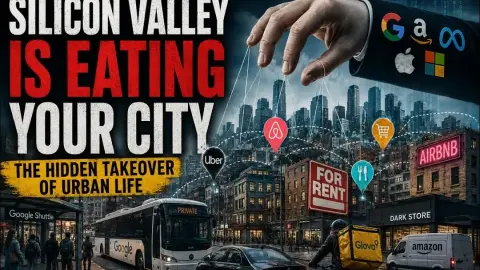
Platform urbanism describes how digital companies —for holiday rentals, ride-hailing, delivery, parking— reorganise the city without building anything: they turn flats into hotels, cars into taxis and pavements into warehouses, capturing the value while the cost —prices, traffic, precarity— is paid by the city.
Nick Srnicek explained the economic model in Platform Capitalism (2016): intermediate and extract data. Cities responded late and with twentieth-century tools —licences, moratoria— against firms operating above any municipality. Barcelona, New York and Amsterdam are the laboratories of regulation.
Videos on this term (4)
- Urban economy
Siliconized Cities: Who Is Running Your City Now?
How tech platforms became the operating system of the city: San Francisco's tech gentrification, Airbnb, dark…
3 min read - Urban AI
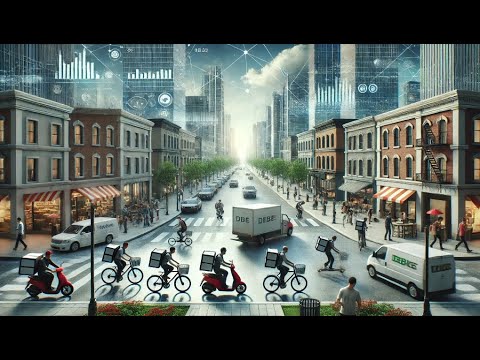
Platform Urbanism: How Uber, Airbnb and Deliveroo Change the City
Platform urbanism explains how Uber, Airbnb and Deliveroo reorganise transport, housing, retail and work.
2 min read - Urban AI
Automation and Urban Inequality: What Autor and Srnicek Explain
Automation polarises urban employment and platforms fragment work. What David Autor and Nick Srnicek show and which…
3 min read - Urban economy
Platform Economy and Urban Work: Precarity and Regulation
The platform economy turned couriers and drivers into self-employed workers managed by algorithms. What Nick…
3 min read