Key points
- Lefebvre coined the right to the city in 1968 as power over its transformation.
- Space is not a neutral setting; it is produced through relations of power.
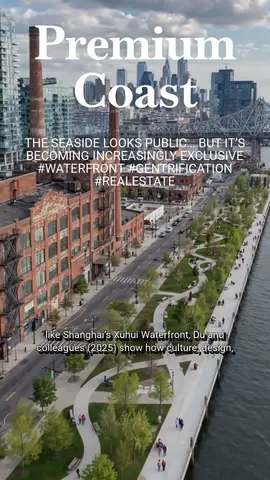
- The commodified city disconnects inhabitants from the environment they live in every day.
For Henri Lefebvre, urban space is not a neutral container in which things happen: it is a social product, made and remade by power relations and by capitalist production. A French philosopher and sociologist, Lefebvre set out in The Right to the City (1968) the idea that inhabitants must reclaim power over the transformation of their environment, and in The Production of Space (1974) the theory that underpins it. Half a century later, both works remain at the centre of debates on urban justice and citizen participation.
The right to the city, as Lefebvre frames it, is not the right to access urban resources but the capacity of inhabitants to influence how cities are organised and managed. It implies taking part in the production of space, a process that economic and political elites have historically controlled. That control has left out a large part of the population and limited its enjoyment of what urban life offers. Lefebvre proposes democratising planning and urban development so that everyone can take part in building a more equitable and liveable city.
The social production of space
The production of space is his most influential idea. Space, Lefebvre argues, is not a static object but a social product, created and recreated without pause by human activity and by structures of power. This breaks with the view of urban space as a mere stage: power relations, above all economic ones, are what give it shape. Lefebvre distinguishes the space conceived by technicians and planners, the space perceived in daily practice and the space lived by its inhabitants, and shows that the three rarely coincide. Cities are thus the place where the contradictions of capitalism become visible, because space is reorganised again and again according to the interests of capital.
Urbanisation, in his analysis, is a social process that exceeds the physical growth of cities. It does not consist only in expanding infrastructure and buildings but in transforming the social relations that take place in those spaces. The modern city reflects the tensions between capital and everyday life: the logic of accumulation and real estate speculation shapes how people experience their street, their neighbourhood and their time. Lefebvre asks us to think of the city not as a product of economic development but as the vital space where social and political life is played out.
Alienation in the commodified city
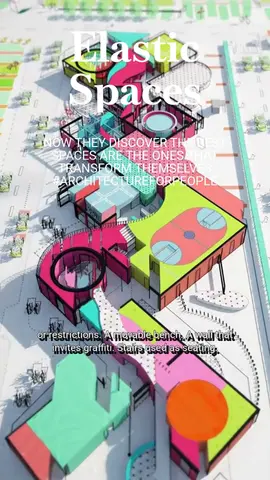
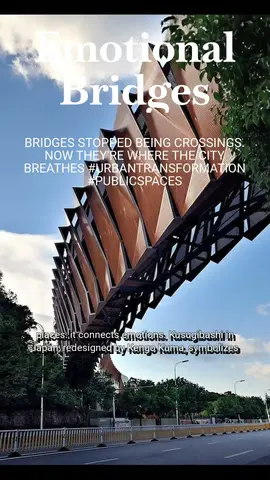
His critique of capitalist urbanisation extends to the alienation citizens feel in modern cities. The more urban space is commodified, the wider the disconnection between people and their surroundings. Lefebvre saw the city not only as a place of work and consumption but as a space of encounter, participation and creativity: a collective work, in the sense that a work of art is one. The right to the city therefore includes the right to enjoy public spaces, to use the city for expression and for living together, and not only for the exchange of commodities.
Lefebvre changed the way the city is thought about. The right to the city became a banner for movements fighting for more just and democratic cities, and the social production of space changed how we understand the relationship between power, economy and territory. His invitation still stands: to see the city not as a finished product of capitalism but as a space in permanent dispute, where the struggle to decide who uses it and for what is an essential part of urban life.
Frequently asked questions
What is the production of space in Lefebvre's work?
It is the idea that space is not a neutral or static object, but a social product constantly created and recreated through human activities and structures of power.
Who coined the concept of the right to the city?
Henri Lefebvre introduced it in Le Droit à la ville (1968), proposing that citizens should reclaim their power over the transformation of the urban environment.