Biodiversity
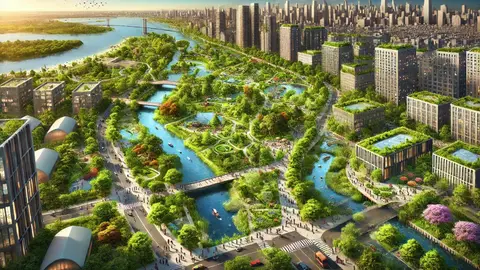
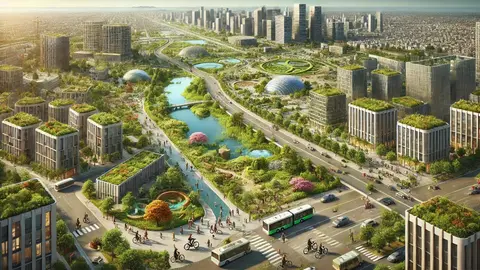
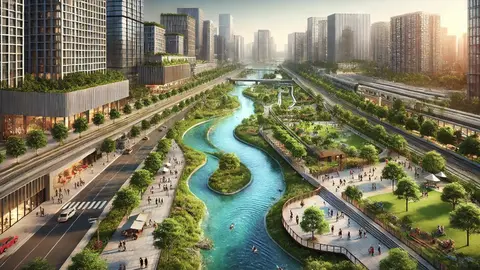
Urban biodiversity is the set of species —plants, birds, insects, mammals— living in the city, and it is larger than it seems: parks, vacant lots, cemeteries and roofs sometimes host more variety than the farmland around. Planning for it means connecting habitats and tolerating what is not tidy.
Urban rewilding lets things grow, cuts mowing and recovers watercourses; Anne Whiston Spirn's ecological urbanism argued as early as 1984 that the city is part of nature, not its opposite. Biodiversity is also an indicator: where there are insects and birds, air, water and soil are working.
Videos on this term (7)
- Housing
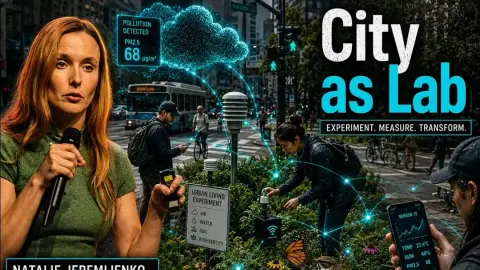
Natalie Jeremijenko: The City as a Participatory Ecology Lab
Natalie Jeremijenko's devices make pollution and urban biodiversity visible so citizens can investigate and act.…
Natalie Jeremijenko 3 min read - Urban history
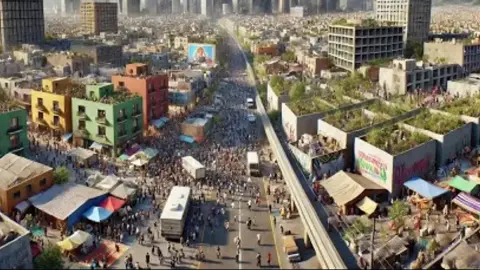
A City on a Lake by Matthew Vitz: Mexico City and Its Lake
A City on a Lake by Matthew Vitz explains how Mexico City grew on the drained Lake Texcoco and how water, forests…
Matthew Vitz 3 min read - Urban ecology
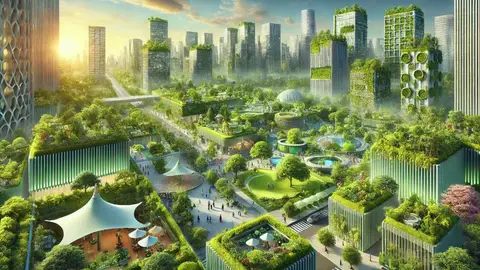
Regenerative urbanism: polluting less is not enough
Sustainability asks cities to reduce harm. Regenerative urbanism asks them to repair it: to give back more to their…
2 min read - Urban ecology
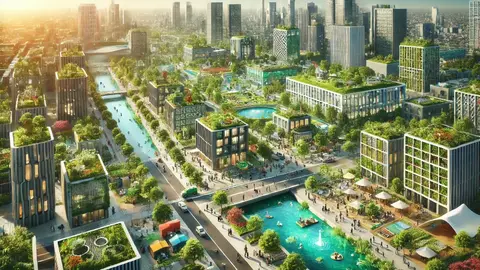
Green infrastructure: the city that manages its climate
Parks, green roofs and wetlands are not ornament: they lower temperature, absorb rainfall and replace grey…
2 min read - Urban ecology
Urban biodiversity: Pickett, Cadenasso and Forman
How to integrate nature and city according to Pickett, Cadenasso and Forman: the city as ecosystem, green…
2 min read - Urban ecology
Territorial Planning and Compact Cities Against Sprawl
Territorial planning curbs urban sprawl with compact cities and protected land. What Richard Forman, Reid Ewing and…
3 min read - Urban ecology
Urban River Restoration: What It Is and Examples
Urban river restoration reopens channelised rivers to cut flood risk and heat. What Erik Swyngedouw and Maria Kaika…
2 min read