Key points
- Karen Bakker highlights the importance of water as a fundamental right and criticizes water privatization.
- Marginalized communities, including low-income populations and ethnic minorities, are disproportionately affected by inadequate water access.
- Investing in water infrastructure in underserved areas is essential for promoting urban equity and sustainability.
Karen Bakker, a Canadian scholar specializing in environmental studies, has devoted much of her career to investigating the intersection of water access, environmental justice, and urban water infrastructure. Her work examines how water management, particularly in urban settings, directly affects communities’ quality of life, with a particular focus on the inequalities that arise when water resources are privatized or distributed inequitably. Through her research, Bakker has demonstrated that water is more than a natural resource: it is also a key element in ensuring equity and sustainability in cities. One of Bakker’s principal contributions is her analysis of access to water as a fundamental right and her critique of water privatization.
Karen Bakker's Work on Water Access and Environmental Justice
In many cities worldwide, privatization has created profound disparities in access to this vital resource, disproportionately affecting the most vulnerable communities. Bakker has emphasized that when water is managed according to a market-based model, it tends to be treated as a commodity, frequently leading to higher costs and the exclusion of those who cannot afford the service. This not only exacerbates social inequalities but also threatens public health and well-being. Bakker has explored how environmental justice is directly connected to the distribution and management of water in cities.
In her studies, she argues that marginalized communities, including low-income populations and ethnic minorities, are often the most severely affected by inadequate access to safe drinking water and sanitation services. This lack of access creates a cycle of poverty and exclusion in which poor health conditions and economic limitations are exacerbated by inadequate water infrastructure. Bakker stresses that ensuring equitable access to water is essential to promoting social justice in cities. Bakker has also placed particular emphasis on the importance of water infrastructure and how its planning and maintenance influence urban equity.
Water Infrastructure and Urban Equity
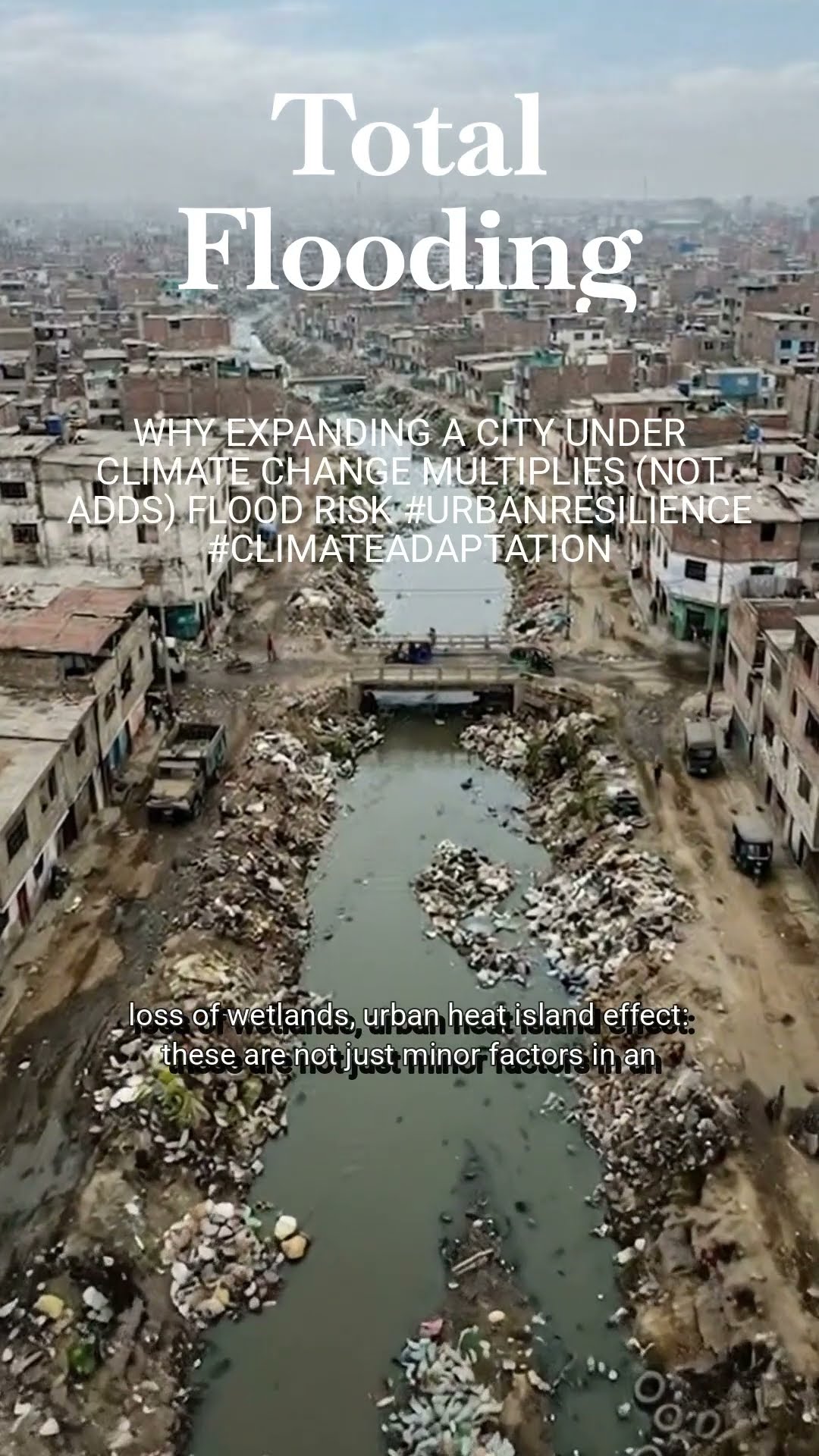
Water-distribution networks, sanitation systems, and stormwater-collection infrastructure are essential to ensuring that every urban area has access to water. However, many cities lack this infrastructure in their poorest neighborhoods, creating a divide between well-served areas and those that remain underserved. Bakker has advocated for policies that prioritize investment in water infrastructure in communities with the greatest needs as a means of combating these inequalities. Another important aspect of Bakker’s work is her focus on water sustainability in the context of climate change.
As cities experience rising temperatures and extreme weather events, water availability has become increasingly uncertain. Bakker has investigated how water-management policies must adapt to ensure that cities can withstand these climatic changes while continuing to provide water to their residents. She advocates for an approach that combines technology, innovation, and inclusive policies to ensure the sustainable management of urban water resources. In conclusion, Karen Bakker has made valuable contributions to the debate surrounding water access and environmental justice in cities, emphasizing the importance of equitable and sustainable water infrastructure.
Her work underscores that water is an essential right and that its management should prioritize social equity and collective well-being rather than treating it as a mere commodity. Through her research, Bakker invites us to rethink the relationship between water and urbanism by proposing solutions that address both social inequalities and emerging environmental challenges.
Frequently asked questions
How does water privatization affect communities?
Water privatization often leads to higher costs and exclusion of vulnerable communities, exacerbating social inequalities.
What role does water infrastructure play in urban equity?
Water infrastructure is crucial for ensuring equitable access to water, especially in underserved urban areas.