Key points
- Zukin shows that culture is the city's symbolic economy and sets the price of land.
- SoHo's artists opened the door to real estate capital: the cycle repeats in every creative neighbourhood.
- Marketed authenticity destroys what it sells; it should be understood as the right to stay.
A city's cultural capital is the set of museums, theatres, galleries, festivals, food and everyday practices that give it an identity and make it attractive to residents, visitors and investors. The concept comes from Pierre Bourdieu, who applied it to individuals, but the sociologist Sharon Zukin, professor at Brooklyn College and the Graduate Center of the City University of New York, carried it to the urban scale. Her thesis is that culture has become the main symbolic economy of cities: it produces images, property value and consumption, and therefore decides who can afford to live in each neighbourhood.
Sharon Zukin and the symbolic economy in The Cultures of Cities
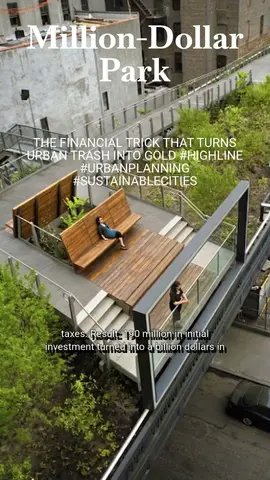
In The Cultures of Cities (1995) Zukin describes how, after deindustrialisation, cities such as New York turned to culture as an economic engine. Expanded museums, arts districts, renovated parks and themed shopping streets became tools for attracting capital and tourism. Zukin coined the phrase pacification by cappuccino to describe how a park once considered dangerous, such as Bryant Park, is turned into a safe, consumable space through cafés, polished furniture and private security. Culture works here as an instrument of control over space as much as of enjoyment.
Earlier, in Loft Living (1982), Zukin had already studied how the artists who occupied the industrial lofts of New York's SoHo in the 1960s and 1970s unwittingly opened the door to developers and high-income buyers. The artistic mode of production, as she calls it, turns creative work into a neighbourhood brand and the brand into land price. The cycle repeats in Williamsburg, Shoreditch, Kreuzberg or Lavapiés: first come the creators, then the galleries and cafés, then real estate capital and, finally, the expulsion of the people who created the appeal.
Cultural capital, gentrification and the loss of authenticity
In Naked City: The Death and Life of Authentic Urban Places (2010) Zukin pushes the critique further. The search for authenticity, for neighbourhoods with character, local shops and diversity, has become the main selling point of the contemporary city. But that desire destroys what it seeks: once authenticity is marketed, rents rise, long-standing shops close and the neighbourhood becomes a stage set of itself. Zukin proposes understanding authenticity not as an aesthetic but as the right of residents to stay and to keep shaping their place.
Cultural capital therefore has a bright side and a dark one. It enriches urban life, sustains creative jobs, improves quality of life and strengthens local pride. At the same time, when it is managed purely as a competitiveness strategy, it homogenises neighbourhoods, replaces community culture with a standardised version fit for tourism and transfers the value generated by residents and artists to owners and investors. The cultural landscapes Zukin describes are, at bottom, landscapes of power that decide what is preserved, what is sold and who decides.
Inclusive urban cultural policy
Zukin does not propose giving up culture as an urban engine, but changing who benefits. That means protecting local retail with regulated rents, reserving affordable workspace for creators, bringing communities into the management of museums and festivals, and measuring the success of a cultural policy by whether residents stay and not only by visitor numbers. Cities such as Berlin and Barcelona have tried land-use plans and protection for traditional shops with uneven results, but Zukin's lesson stands: cultural capital is a common good that the market tends to privatise.
Frequently asked questions
What is Sharon Zukin's pacification by cappuccino?
It is the phrase Zukin uses to describe how a public space once considered dangerous becomes safe and consumable through cafés, polished furniture and private security, as happened in Bryant Park; culture acts as an instrument of control over space.
How are cultural capital and gentrification related?
Cultural resources raise the value of the neighbourhoods where they concentrate; without protective policies, rents rise, local shops close and the residents and creators who produced the appeal end up displaced.