Key points
- Temporary interventions let cities test urban solutions without committing to permanent construction.
- Low cost makes it easy for residents and councils to transform a neighbourhood together.
- A pilot bike lane reveals problems no conventional planning process would have anticipated.
Tactical urbanism means transforming urban space through temporary, quick and low-cost interventions in order to test a solution before making it permanent. A pedestrian plaza drawn with paint and planters, a provisional bike lane or a pop-up garden on a vacant lot all serve to see how people respond and to correct course along the way. Mike Lydon and Anthony Garcia, authors of Tactical Urbanism (2015), are the ones who gave a name and a method to a practice that already existed in the streets.
Lydon and Garcia framed tactical urbanism as a response to the rigidity and slowness of traditional planning, in which a project can take years between design and construction. Their interventions — plazas with temporary furniture, painted cycle lanes, short-lived gardens — have an immediate effect, require neither large investment nor long timelines, and adapt to very different contexts. Their experimental character lets residents and governments assess the feasibility and effects of a measure before making it permanent. The most cited case is Times Square: in 2009 New York closed Broadway to traffic with chairs and paint, measured the result and made it permanent.
Citizen participation as the engine
One of its main benefits is that it encourages participation. Lydon and Garcia stress that many interventions grow out of community initiatives or collaborations between residents and local authorities. Being quick and cheap, they give communities a concrete way to act on their surroundings: not to comment on a drawing but to build something and use it. That participation adapts each intervention to the needs of the neighbourhood and creates a sense of belonging and responsibility towards public space, which stops being something other people decide.
The experimental dimension is the other key. A temporary intervention makes it possible to assess the impact of a change in how public space is used without committing at once to a permanent transformation. Lydon and Garcia argue that this flexibility lets cities learn from their own experience and adjust as they go: a pilot bike lane reveals problems or advantages that a conventional planning process would not have seen, and the final version arrives with those lessons built in. When there is a mistake, it is cheap and reversible.
Sustainability and reused materials
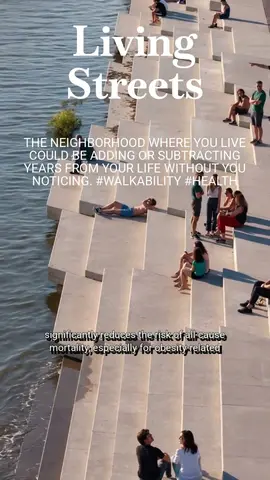
Tactical urbanism also promotes sustainability and the efficient use of resources. Interventions tend to reuse available materials or employ recyclable elements — pallets, tyres, paint, planters — which reduces their environmental impact and allows ecological solutions to be tried out. Many are designed to favour active mobility, walking or cycling, and so help cut emissions and improve the health of the people who live in the city.
What tactical urbanism offers is a way of transforming cities that is fast, experimental and participatory: temporary, inexpensive interventions that ease participation, promote sustainability and let cities try before they build. It does not replace planning — structural change still needs a plan, a budget and a law — but it gives planning a flexible tool to start today and decide with evidence what deserves to become permanent.
Frequently asked questions
What is tactical urbanism?
It is a planning strategy based on temporary, low-cost and rapid interventions that transform urban space experimentally before permanent changes are adopted.
Who developed the concept of tactical urbanism?
Mike Lydon and Anthony Garcia, authors of Tactical Urbanism, proposed it as a response to the rigidity and slow pace of traditional urban planning processes.