Key points
- The temporary made sense as a test of something later consolidated; without the second half only the cheap action remains.
- Brenner: by accepting a weakened public role, the tactical can reinforce the neoliberal urbanism it claimed to fight.
- Mould: markets and murals activate plots and raise their value until the tower arrives; neighbourhood creativity as free labour.
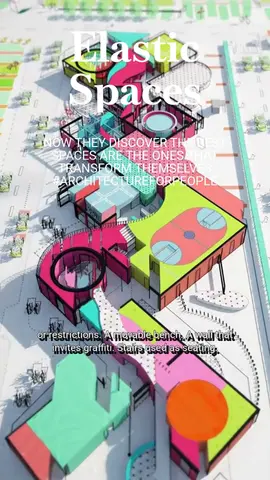
Tactical urbanism can be innovation or disguised austerity, and the difference shows three years after the photo. A neighbourhood plaza on a Saturday morning: volunteers with rollers paint coloured circles on the asphalt, set out pallet planters and concrete blocks that serve as benches, cut a ribbon and post a photo on the city website, space reclaimed for the people. Three years later the paint is peeling, the plants are dead and the blocks are covered in graffiti, and nobody touched anything again. The question is whether a temporary intervention is the first step of a real transformation or the last thing that will ever happen in that place.
Lydon and Garcia: short-term action for long-term change
Tactical urbanism was born as a powerful and honest idea. Faced with slow bureaucracy, neighbours decided to act, reclaim a parking space for people, test a bike lane with paint, try before building, and the planners Mike Lydon and Anthony Garcia summed it up in Tactical Urbanism (2015) with a memorable formula: short-term action for long-term change. The key lies in the second half of the phrase; the temporary made sense as a test of something later consolidated, and the problem appears when the first half is kept and the second forgotten, leaving the cheap action and dropping the lasting change.
The budgetary temptation and Neil Brenner's question
The mechanism is a budgetary temptation. An administration with little money discovers that paint is cheap and construction expensive, and that the temporary communicates very well, produces striking photos, sounds innovative and participatory and commits no large sum; the tactical stops being a rehearsal for the permanent and becomes the final destination: inaugurated, photographed and abandoned. The geographer Neil Brenner asked in 2015 the uncomfortable question of whether tactical urbanism is an alternative to neoliberal urbanism or its accomplice, and his answer is unsettling: by accepting a weakened role for the public sector, it can reinforce exactly what it claimed to fight.
Two faces: precarity as method and vanguard of speculation
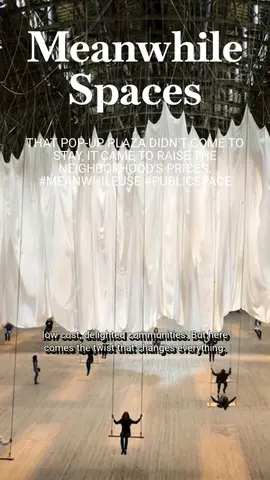
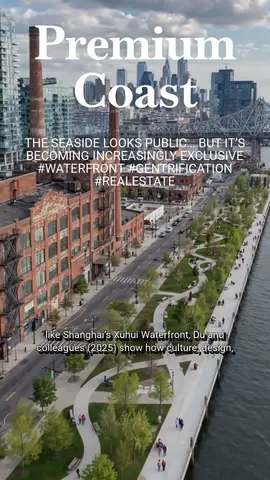
Two cases show the two faces. In the most common, a city with dangerous streets announces a plan of tactical plazas, paints crossings, installs bollards and light furniture, and on paper counts dozens of reclaimed spaces while on the ground maintenance is nil, materials degrade within years and nothing is consolidated: precarity presented as method when it is really budget. In the more sophisticated, the tactical does not save public money but prepares private money: the researcher Oli Mould has shown how markets, food trucks and murals activate an empty plot, make it fashionable and raise its value until the tower arrives, so that neighbourhood creativity becomes free labour to revalue someone else's land.
What works: the pandemic, consolidation and the counterargument
The third case shows what works. During the pandemic, cities such as Paris, Milan and Bogotá used quick interventions of paint and blocks to widen pavements and create emergency bike lanes, and the difference is that many were later consolidated into permanent works with budget and design; there the tactical kept its original promise, it was test and not alibi. The distinction is measured not by materials or cost but by what happens afterwards: honest tactical urbanism carries from the start the question of what happens when the paint wears off.
The counterargument is solid: the temporary allows testing without risking a fortune, correcting mistakes before fixing them in concrete and involving neighbours in the design of their street, in contexts of scarcity a painted plaza is better than a car park, and poor neighbourhoods have waited decades for works that never arrive. All true, but none of those virtues requires the intervention to stay half-finished forever. The lesson is that testing is valuable only with a commitment to consolidate what works, with funding, deadline and responsible officer, and that a city that only paints is not innovating: it is cutting with colours.
Frequently asked questions
When is tactical urbanism disguised austerity?
When an administration with little budget turns the temporary into the final destination, inaugurating, photographing and abandoning painted plazas and light furniture without maintenance or consolidation, presenting precarity as method, or when the tactical serves to activate and revalue a plot ahead of a real estate operation.
How is honest tactical urbanism recognised?
Not by materials or cost but by what happens afterwards: it carries from the start a commitment to consolidate what works, with funding, deadline and a responsible officer, as with the emergency bike lanes of Paris, Milan or Bogotá that became permanent works after the pandemic.