Key points
- Classic sustainability reduces harm; regeneration sets out to repair what is already damaged.
- A regenerative city aims to improve the air, water and soil of its surroundings.
- The model demands a change of mindset in planning, not just added green technology.
Regenerative urbanism goes a step beyond sustainability: it is not enough for cities to minimise their environmental impact, they must play an active role in restoring damaged ecosystems. The regenerative city fosters ecological, social and economic regeneration, aligns itself with natural cycles and promotes biodiversity. Two authors have developed the idea, Herbert Girardet and Jason McLennan, and their argument gains weight with every year of climate crisis: polluting less no longer repairs anything.
Girardet: repair, not just reduce
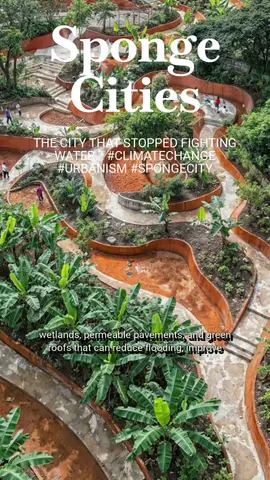
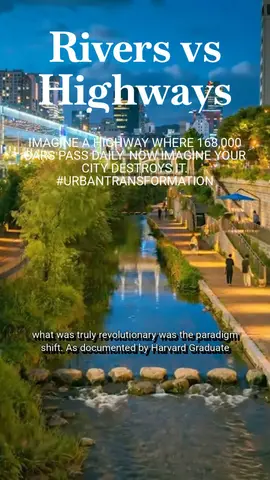
Herbert Girardet, in Cities, People, Planet (2004) and later in Creating Regenerative Cities (2014), points out that traditional sustainability has focused on reducing resource consumption and emissions but does not address the damage already done. Reversing it requires a regenerative approach that repairs and revitalises natural systems: redesigning cities so that they integrate with local ecosystems, with green infrastructure that mimics natural processes — restored wetlands, green roofs and walls that absorb carbon and host biodiversity — and with closed cycles of water, nutrients and energy.
McLennan and the Living Building Challenge
Jason McLennan, a pioneer of regenerative design and author of The Philosophy of Sustainable Design (2004), argues that cities can be agents of positive environmental change. He created the Living Building Challenge, a standard for building environmentally positive buildings and infrastructure: producing more energy than they consume, managing their own water and improving the air, water and soil around them. To get there he proposes comprehensive planning that spans from architectural design to resource management.
The social side of regeneration
Both agree that regeneration is not limited to the physical and the environmental: it has a social dimension. Girardet insists that regenerative cities must build resilient communities in which citizens take part in decisions about their environment. That participation produces cohesion and a sense of belonging, and without it regenerative efforts do not last. Regeneration must also apply to the social and economic structure of the city, not only to its ecosystems.
McLennan adds that regenerative cities can be engines of innovation and economic creativity. By designing spaces that favour the circular economy and regenerative practices, they attract entrepreneurs and companies committed to sustainability. That economic transformation needs public policies that encourage renewable energy, the reuse of materials and green jobs, so that economic growth is aligned with regenerative principles rather than competing with them.
What the shift demands
Both warn that the model demands a change of mindset in planning. Girardet asks cities to abandon the paradigm of unlimited growth and adopt one of continuous regeneration, with the wellbeing of the urban ecosystem as the main indicator of success. McLennan stresses that every actor is needed — governments, citizens, businesses — for regenerative urbanism to be a reality and not a slogan. The goal is not only to minimise impact but to restore ecosystems and promote development that is socially just and ecologically positive: cities that strengthen the natural and social environments in which they grow.
Frequently asked questions
What is the difference between sustainability and urban regeneration?
Traditional sustainability focuses on reducing resource consumption and emissions. The regenerative approach goes further: it asks the city to actively repair and revitalise damaged natural systems.
What is a regenerative city?
A city that is not only self-sufficient in energy and resources but also improves the quality of the air, water and soil around it, integrating circular economy and restoration practices.