Key points
- The Bilbao Guggenheim (1997) named a model of culture-led regeneration that dozens of cities tried to replicate.
- Zukin: regeneration based on authenticity expels those who produced it and leaves the aesthetic without the people.
- Smith: regeneration is gentrification as urban strategy; housing, local jobs and land control make the difference.
Post-industrial regeneration is the strategy with which cities that lost their factories from the 1970s tried to recover economy, population and image by betting on culture, tourism, services and consumption, with museums, waterfronts, creative districts and festivals in place of shipyards and steelworks. Its emblem is the Guggenheim Museum in Bilbao, opened in 1997, which gave its name to the Guggenheim effect that dozens of cities have tried to replicate. Sharon Zukin, in Naked City (2010), and Neil Smith, in The New Urban Frontier (1996), analysed what that regeneration produces and for whom, and their conclusion is that economic success has often come at the price of excluding those who lived in the regenerated neighbourhoods.
Bilbao, Glasgow and the Ruhr: culture as engine after the factories
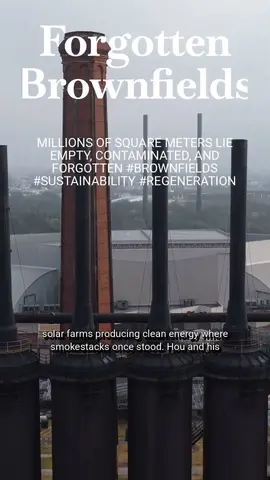
The model was born of necessity. Bilbao, Glasgow, Pittsburgh, Liverpool or the Ruhr lost between a third and half of their industrial employment in two decades, and their governments, with no factories to attract, turned to culture as an engine: Glasgow was European Capital of Culture in 1990, Bilbao combined the museum with Foster's metro, the cleanup of the estuary and the redevelopment of Abandoibarra, and the Ruhr turned mines and blast furnaces into parks and museums. The results in image and tourism were remarkable, and in the Basque case the public investment was recovered within a few years through taxes and visitors.
Sharon Zukin: the authenticity that destroys what it sells
Zukin analyses the cultural cost. In Naked City she argues that regeneration based on authenticity, the working-class neighbourhood with character, the market, the factory with history, destroys what it sells: the middle classes and tourists drawn by the authentic raise prices and expel those who produced it, and the result is districts that keep the industrial aesthetic without the people or activities that justified it. Her analysis of Williamsburg, Harlem and Union Square in New York shows the shift from the culture of place to the brand of place, with city hall as developer.
Neil Smith: gentrification as a global urban strategy
Smith supplies the political critique. Post-industrial regeneration, in his reading, is the form gentrification takes as a global urban strategy: local governments, turned entrepreneurs, prepare devalued industrial land for capital to revalue, and revitalisation policies prioritise the middle classes and investors while treating poor residents as an obstacle. His notion of the revanchist city describes how that strategy comes with surveillance and cleansing of public space to make it safe for consumption. The physical transformation of neighbourhoods, he acknowledges, improves the environment; the distribution of its benefits is the problem.
Empty icons and balanced regenerations: the two faces
Later cases show both faces. Cities that replicated the Guggenheim with iconic buildings and no urban project, from Valencia to Ávila, accumulated debt and empty containers. Those that combined culture with public housing, local employment and land control, as in parts of the Ruhr or the Nantes model, achieved more balanced regenerations. And those that left the operation to the market, such as Docklands or certain waterfronts, produced luxury enclaves cut off from the surrounding city. The difference lies not in the museum but in the conditions that accompany it.
The lesson of Zukin and Smith is that post-industrial regeneration is measured by who still lives in the neighbourhood when it ends. If culture and tourism serve to finance affordable housing, keep local jobs and preserve popular uses, the city recovers its economy without losing its people; if they serve to revalue land and attract those who can pay, deindustrialisation becomes displacement. The Guggenheim effect, in that sense, is not a building but a question about for whom the city is regenerated.
Frequently asked questions
What is post-industrial regeneration?
It is the strategy with which cities that lost their factories from the 1970s tried to recover economy, population and image by betting on culture, tourism, services and consumption, with museums, waterfronts and creative districts, whose emblem is the Bilbao Guggenheim of 1997.
Why does post-industrial regeneration produce exclusion?
Because, according to Sharon Zukin, regeneration based on authenticity raises prices and expels those who produced it, and, according to Neil Smith, it is gentrification as urban strategy in which governments prepare land for capital and treat poor residents as an obstacle.